










Part of:
Movement & Muscles
Also relevant to:
Oral & Dental Care
Often displayed with:
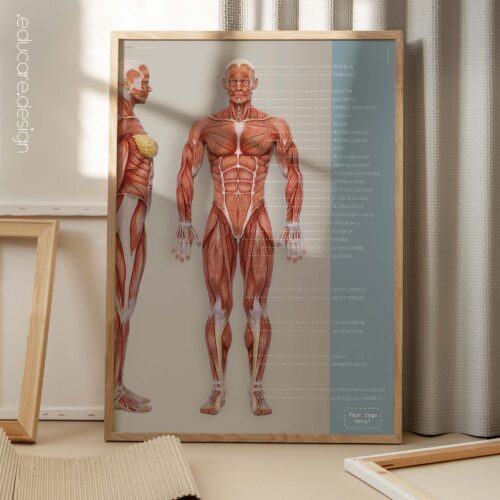
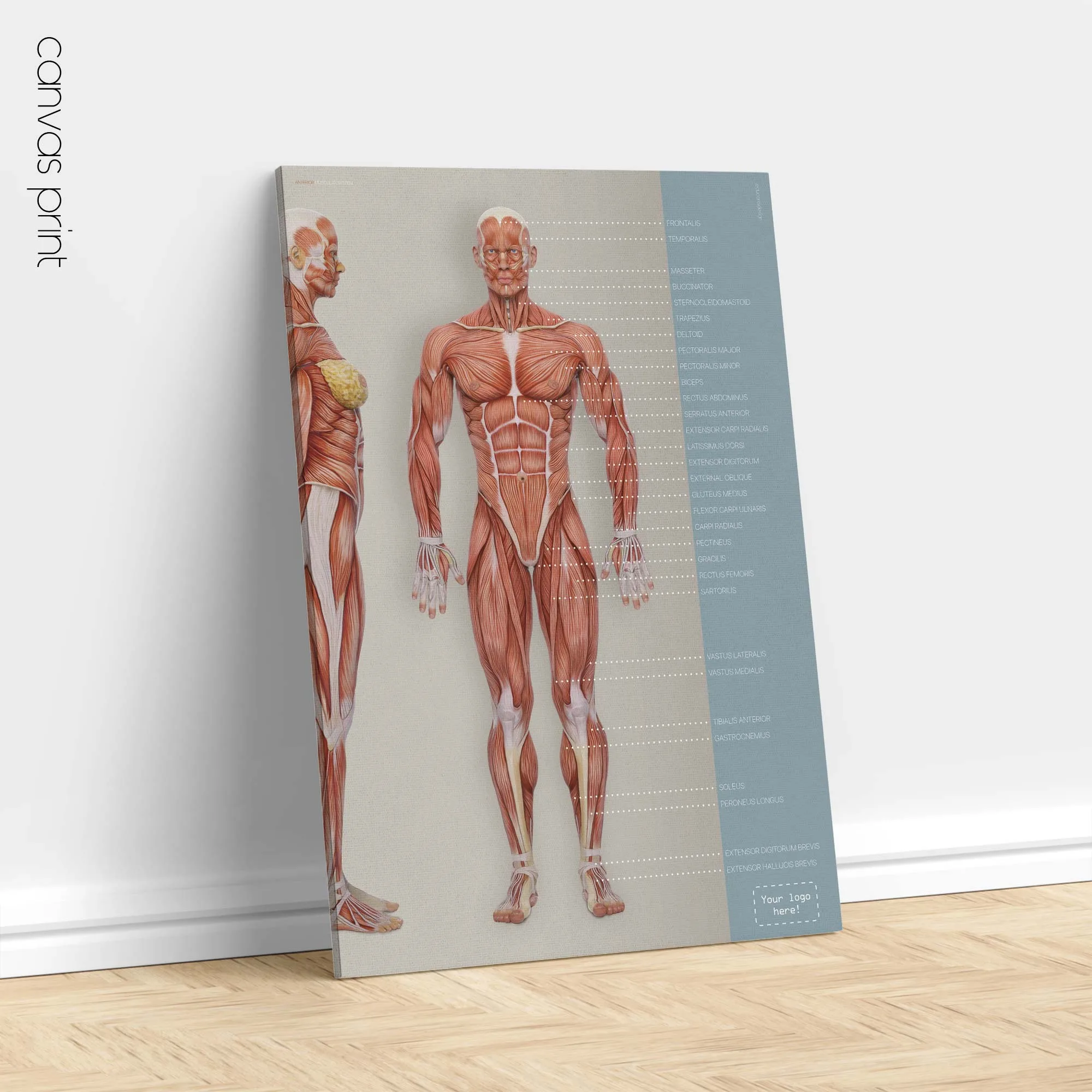
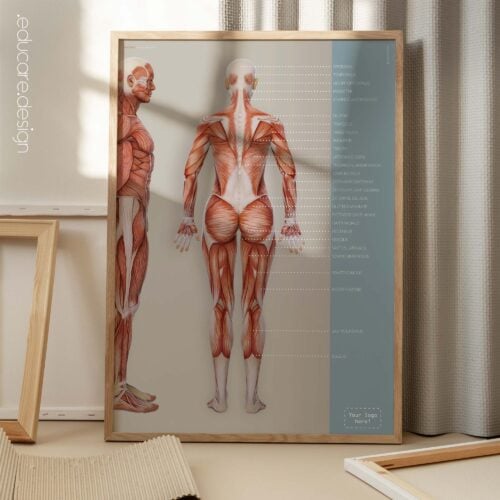
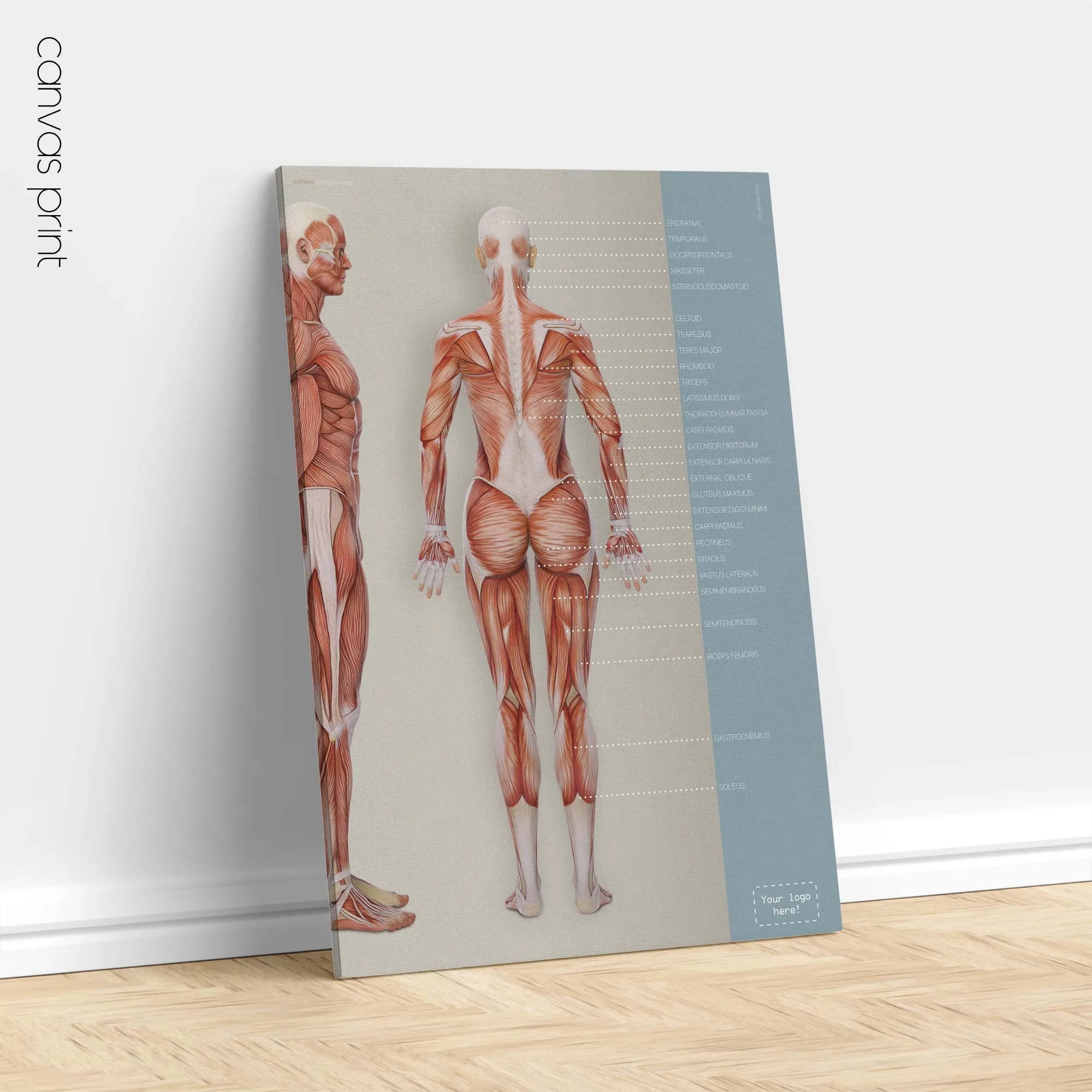
Posterior Muscular System, Anterior Muscular System
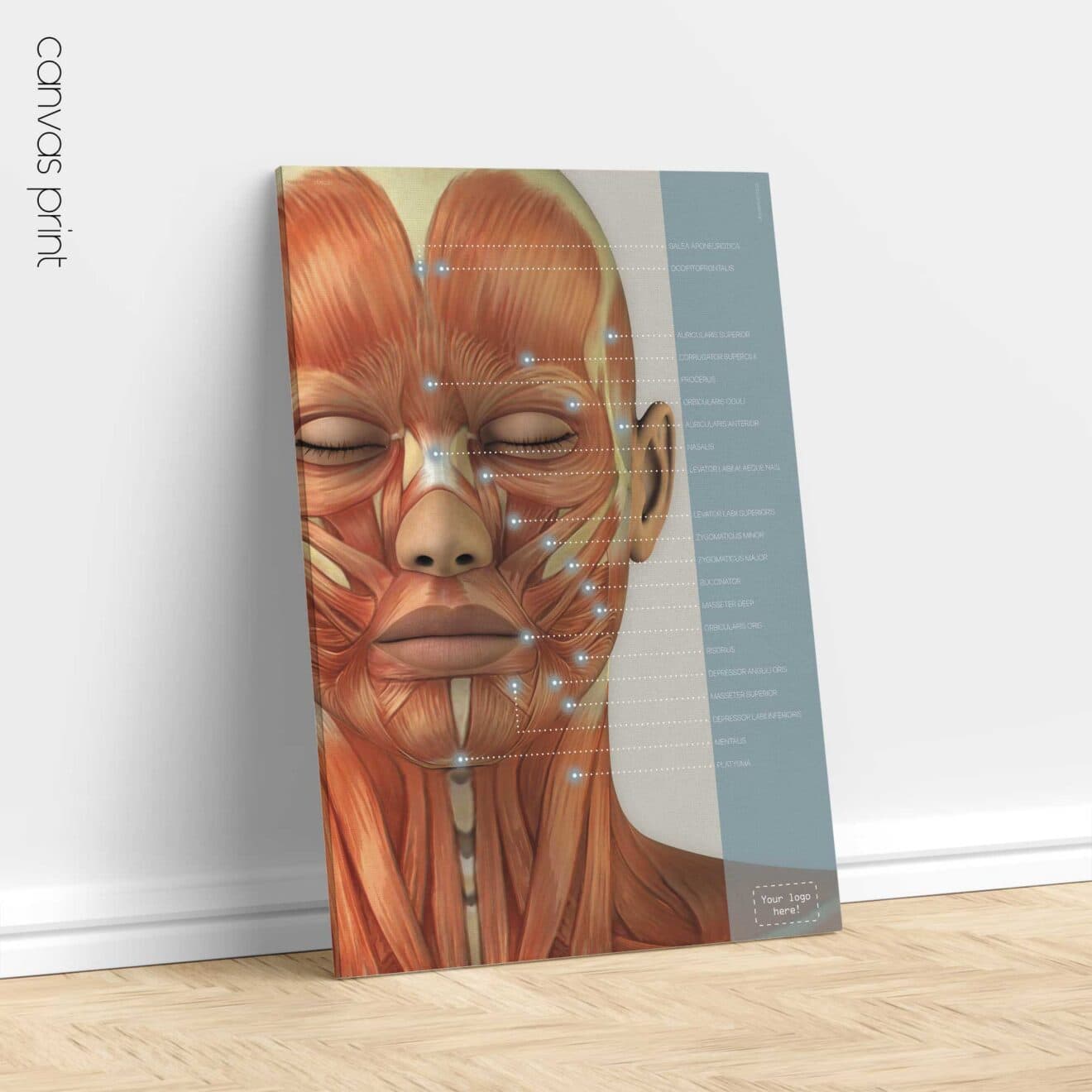
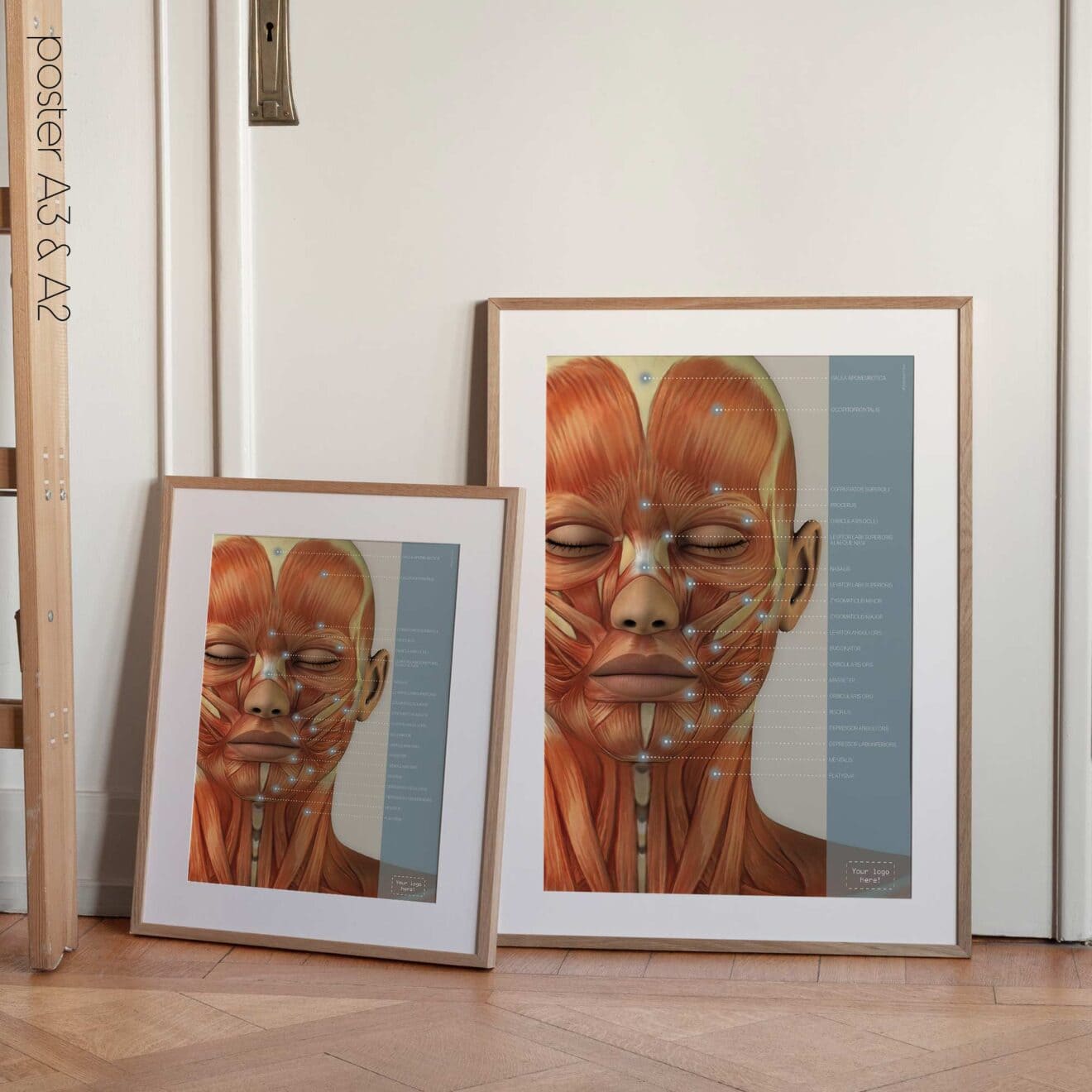
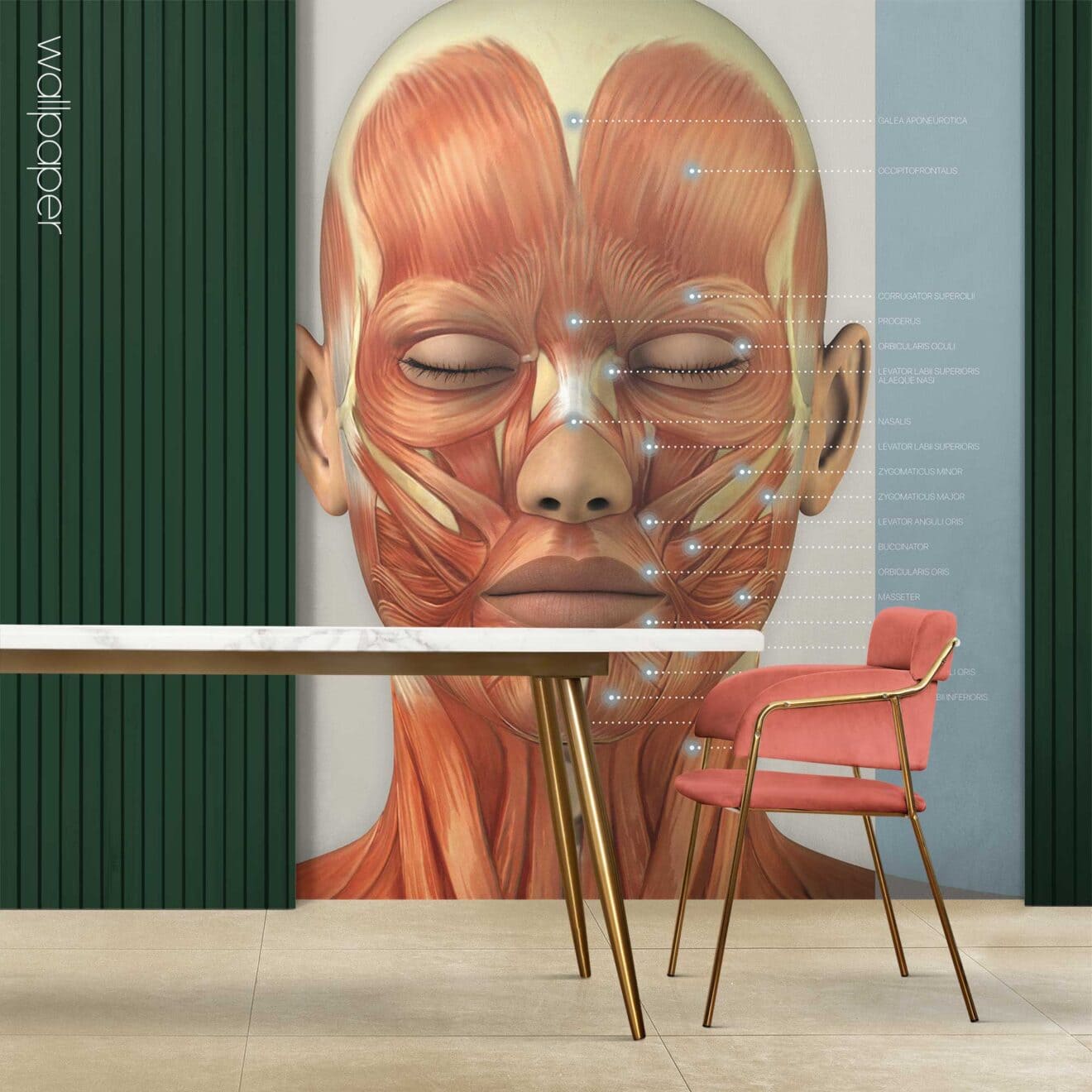
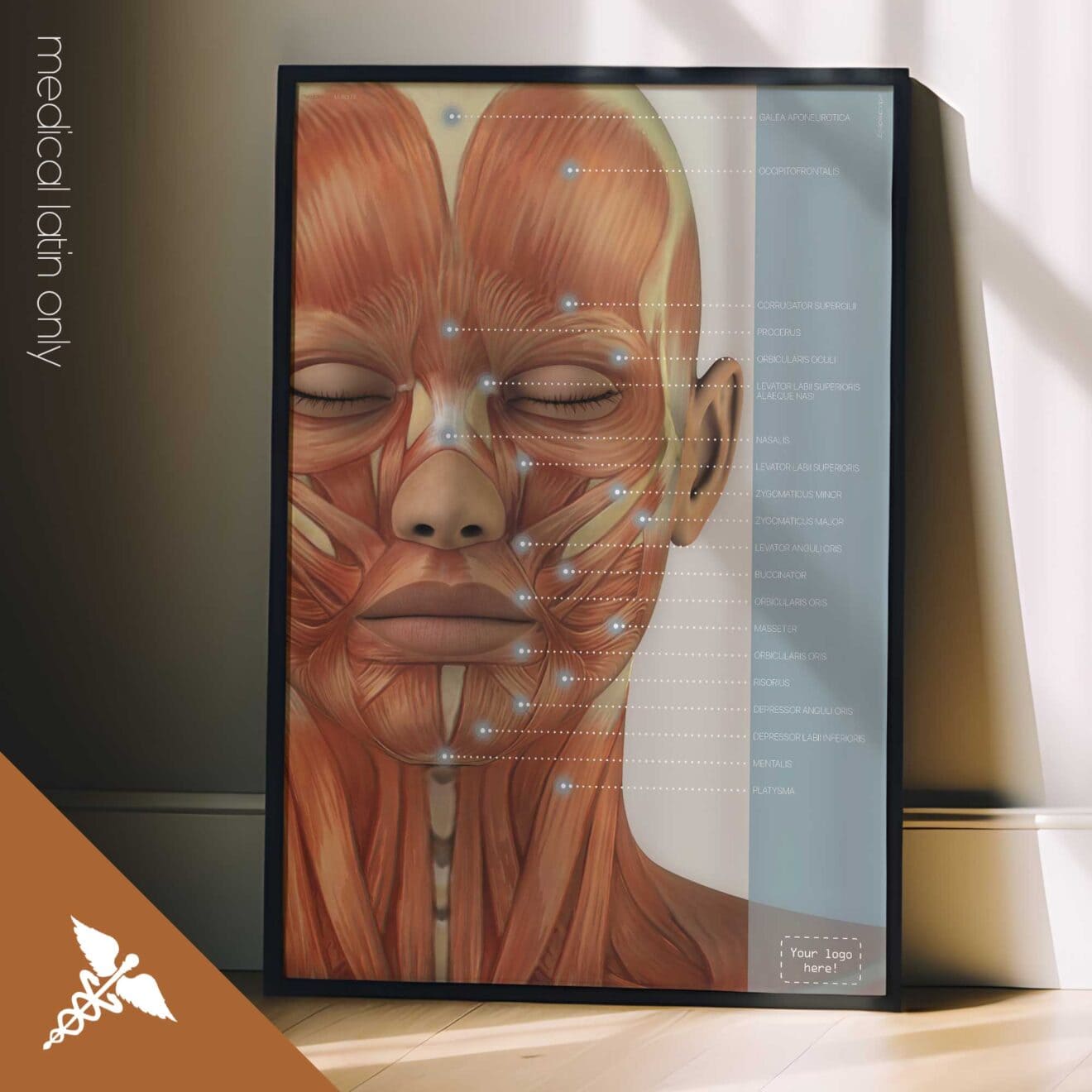
Available as poster prints (frames not included), canvas prints (built-in-frames), rollup banner, wallpaper and print-it-yourself PDF files. Browse the image gallery to view the options for this artwork, incl. types and sizes and optional logo placement. ⚠️ Text on this artwork is medical latin only.
★★★★★ “Absolutely beautiful. Our sincere compliments!” – 🇮🇹 CityLife Chiropratica
✓ How this chart supports patient education.
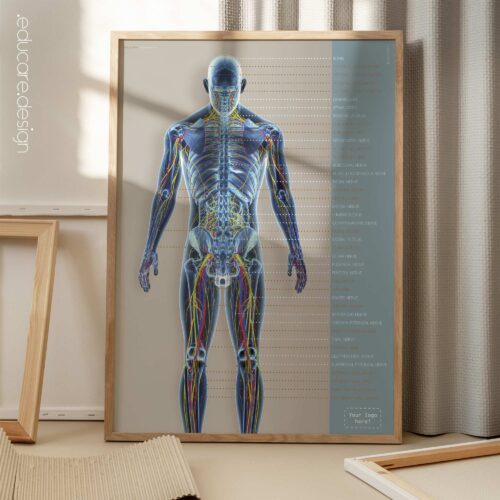
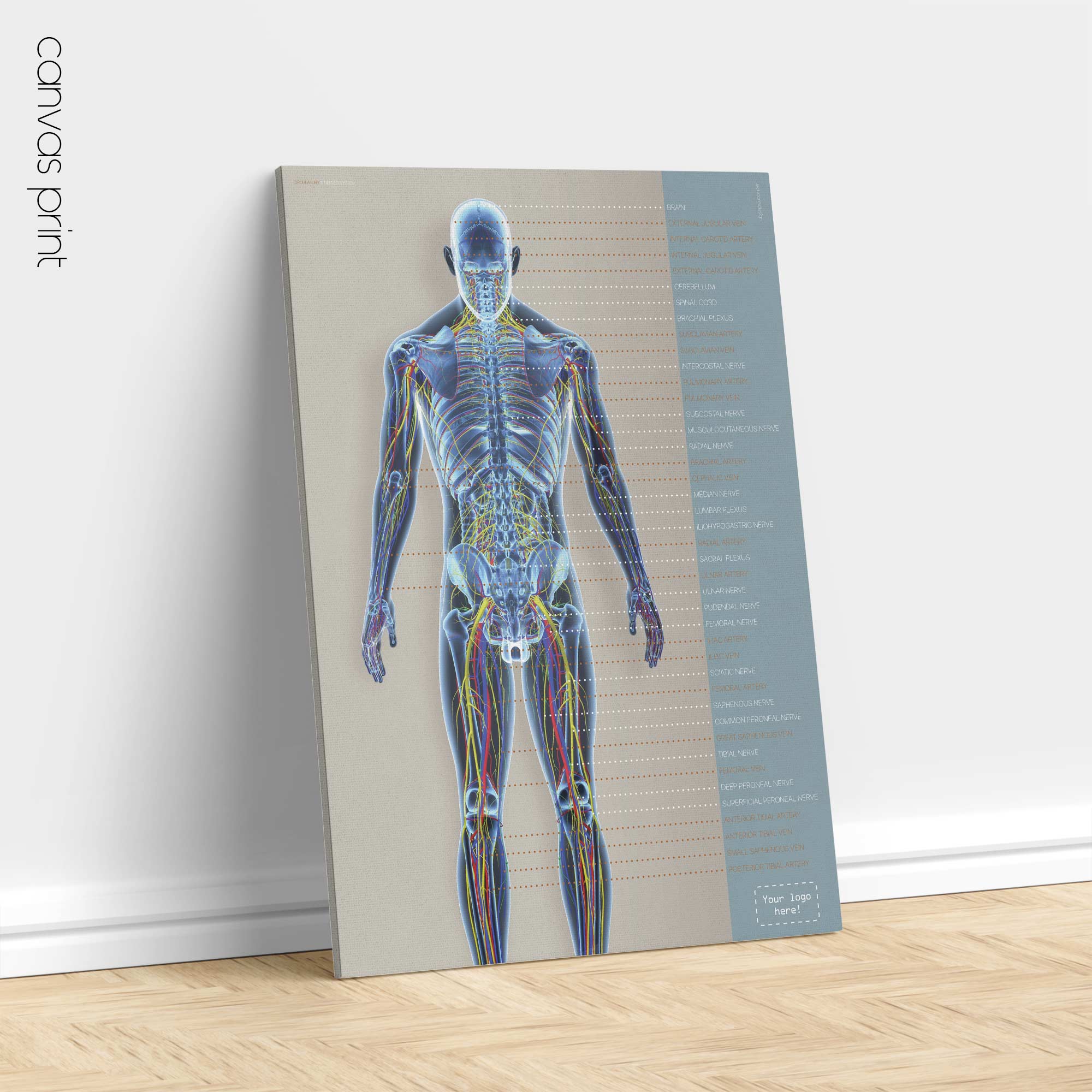
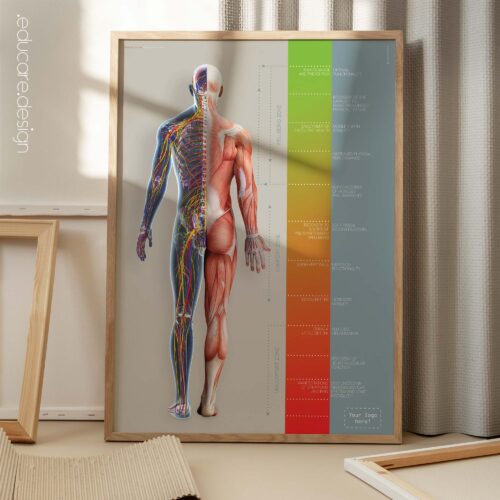
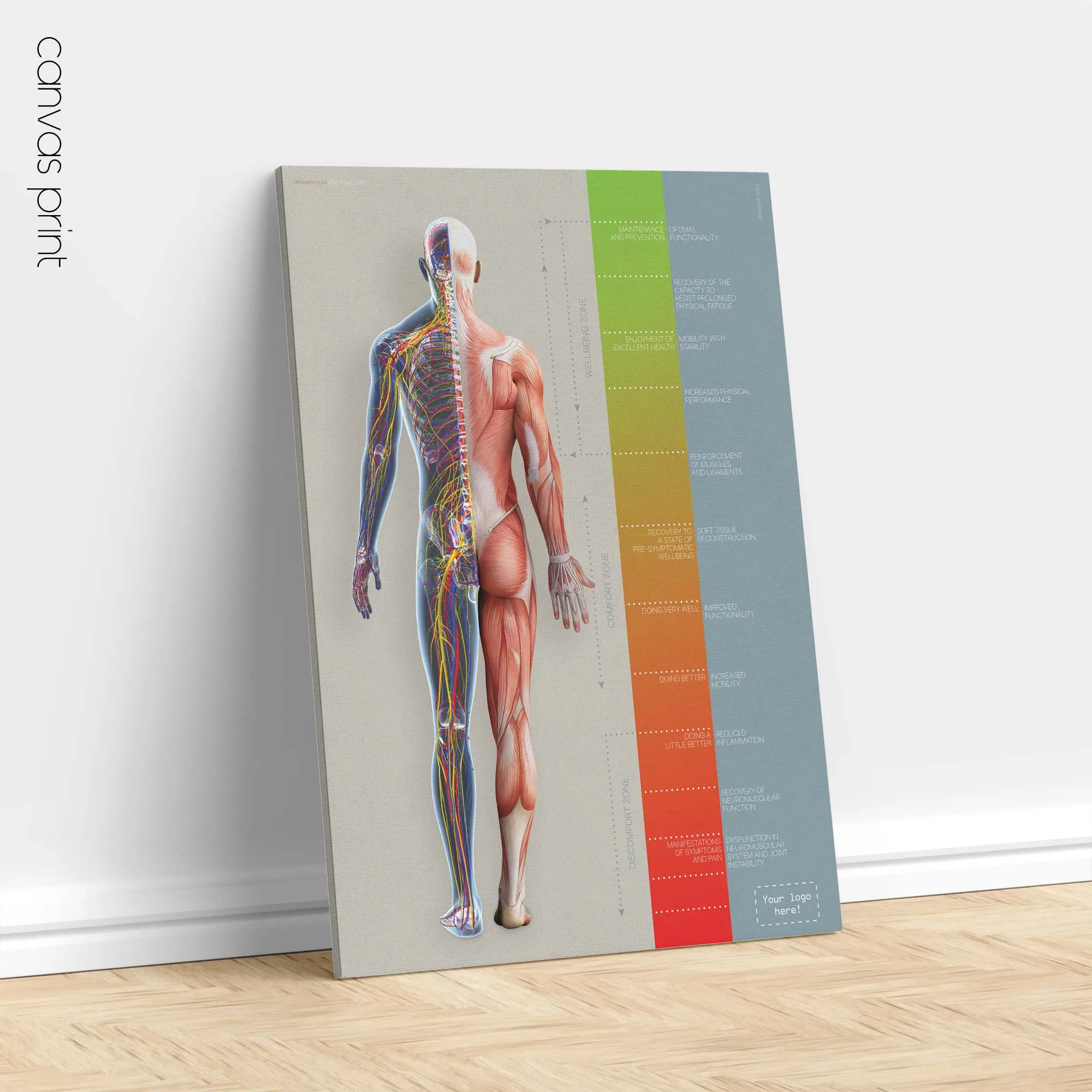
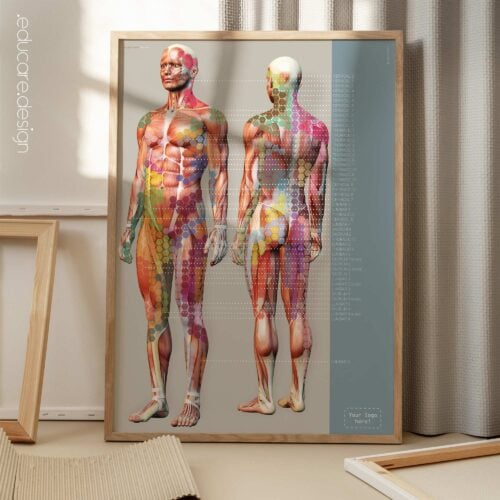
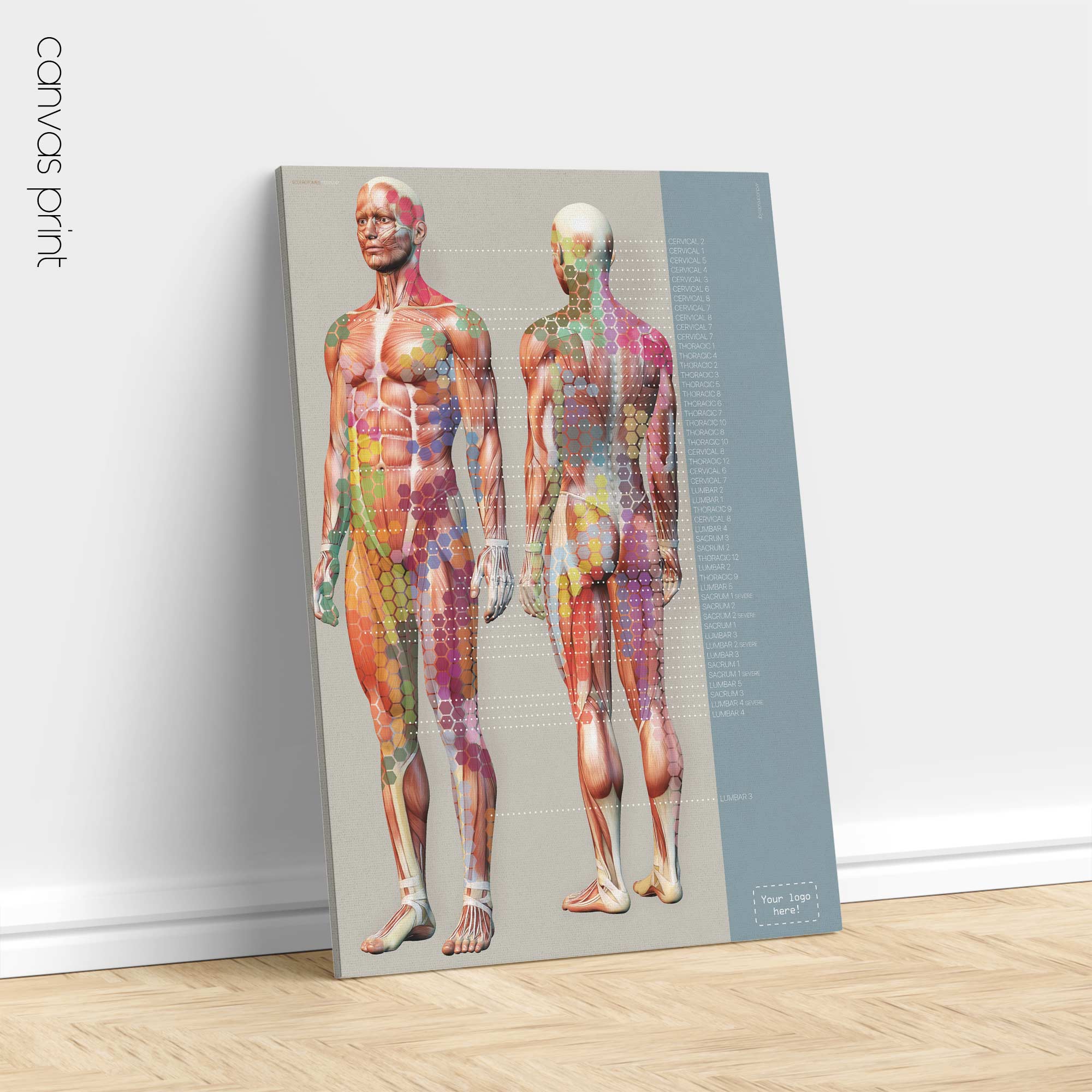
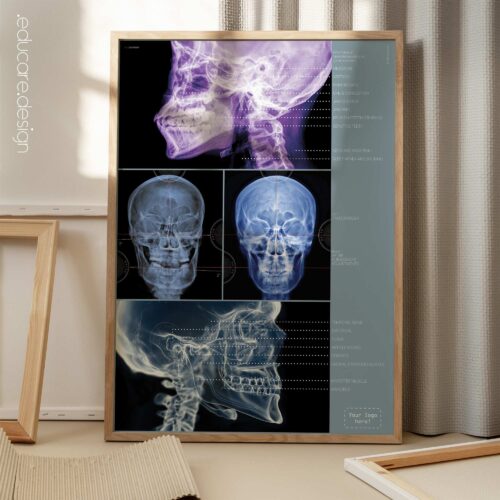
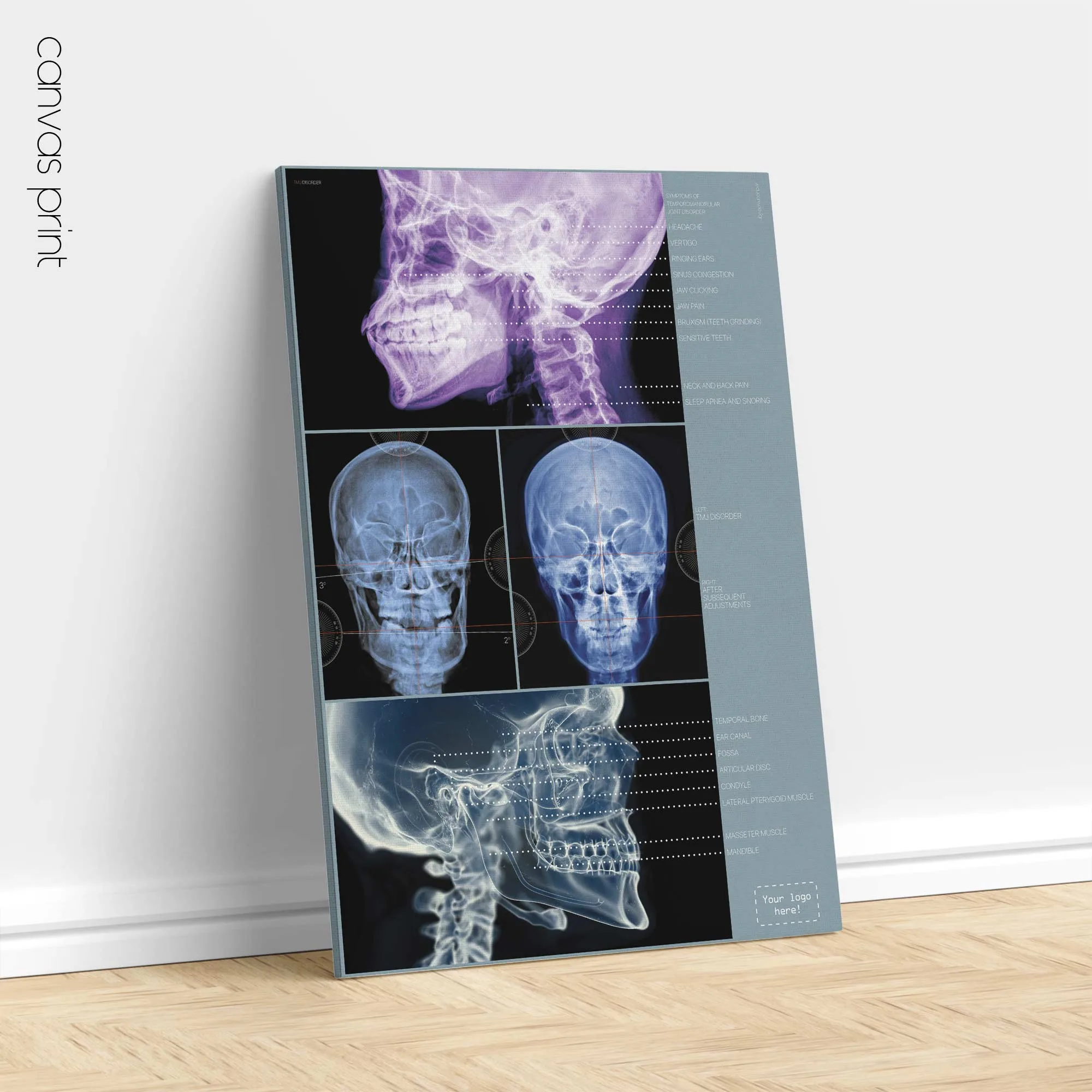
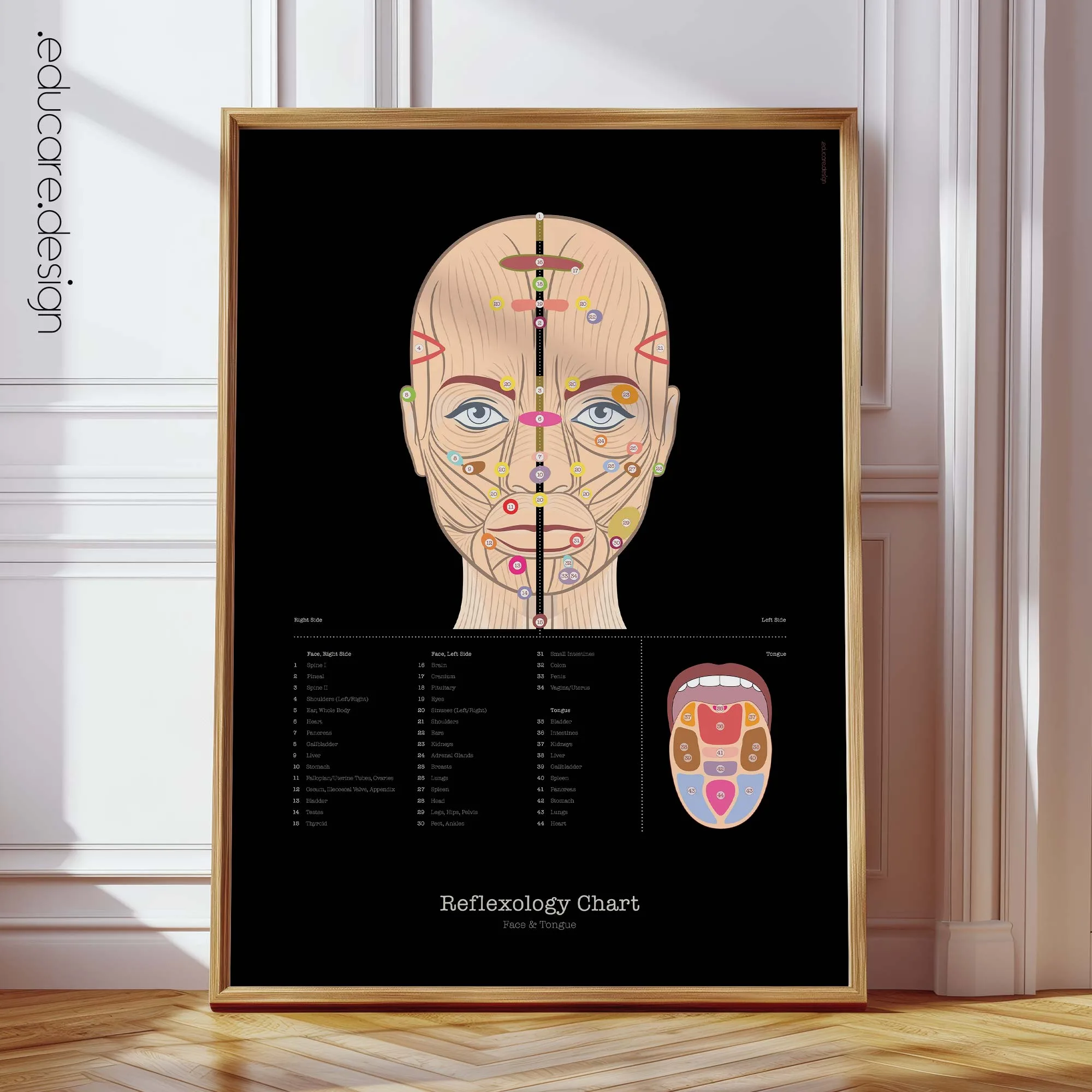
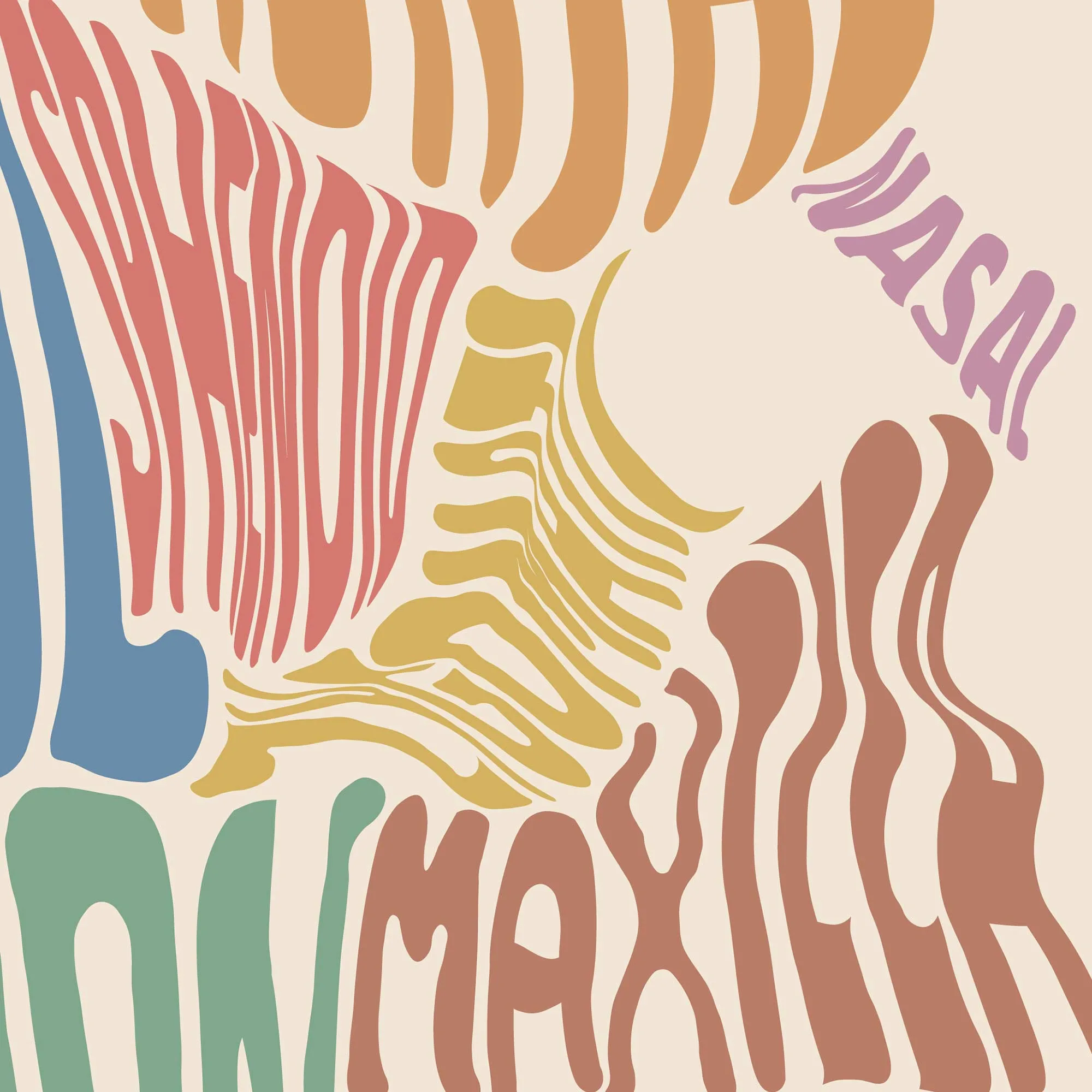
This Craniofacial Muscles Chart helps practitioners explain facial muscle anatomy, muscles of expression and the relationship between cranial structure, jaw function and soft-tissue movement. It gives patients a clear visual reference for understanding the muscles around the face, head, jaw, mouth and eyes, including how these structures support expression, chewing and clinical craniofacial assessment. Useful for explaining craniofacial muscles, facial anatomy, jaw muscles, muscles of expression, TMJ-related education, head and neck anatomy and patient communication in chiropractic, osteopathy, physiotherapy, dentistry, massage therapy and clinical education settings.