Patient education has never been more important. Clinics everywhere are realising that the right visual tools do more than decorate the walls — they help patients understand their health, improve communication, and build trust. But not all educational charts and visuals are created equal. The right design doesn’t just support patients, it also saves valuable time for practitioners by reducing the need for repeated explanations.
1. Content Comes First.
Educational tools must go beyond decoration. They need to translate complex terminology into clear language, supporting every consultation. When content is clear, patients grasp key points faster — leaving more time for treatment and care.
2. Design That Works in the Clinic.
A chart’s design should be visually appealing, but more importantly, it should guide the eye to what matters. Simplicity, clarity, and balance are essential for quick communication. Good design means fewer words are needed, and consultations flow more smoothly.
3. Versatility and Formats.
Every clinic is different. Good tools must work equally well on a wall, as a roll-up banner, or in digital format for patient handouts or presentations. This versatility ensures you always have the right resource at hand, whether explaining during an appointment or providing patients with something to take home.
4. Speak the Patient’s Language.
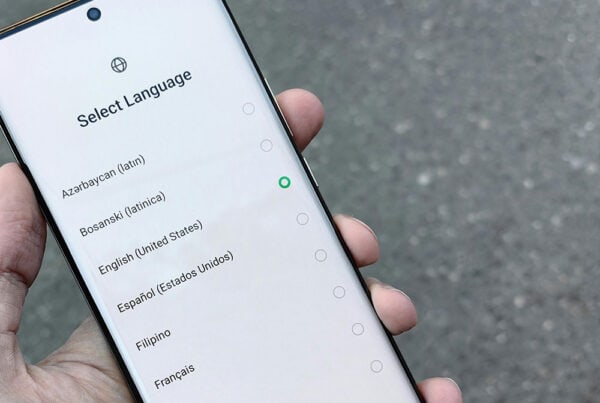
Language is central to comprehension. Tools that are available in multiple languages increase accessibility and patient confidence — especially in multilingual communities. This inclusivity helps clinics reach more patients and avoid misunderstandings that cost time and trust.
5. Professional Identity.
Adding a clinic logo isn’t just branding — it’s about professionalism. Customised visuals show patients you’ve invested in their education. This small touch can leave a lasting impression and increase patient loyalty.
6. Beyond the Walls: Digital Integration.
Modern patient education extends beyond the consultation room. Tools that connect to digital resources allow learning to continue after the visit, reducing the number of follow-up questions and calls.
7. Service and Reliability.
Clinics need more than just posters. They need a design partner who understands the pressures of healthcare and delivers consistent, high-quality resources. Reliable tools cut down on wasted time and make patient communication effortless.
8. Accuracy Backed by Experts
Reliable patient education is grounded in medical expertise. Tools tested with professionals and patients alike ensure accuracy and usability. You can explain confidently, knowing your visuals are correct.
9. A Commitment to Quality.
The best resources come with a guarantee of clarity and usability — because patient trust depends on it. Clear, accurate design saves time otherwise spent clarifying confusing materials.
10. Proof from the Community.
The real test of any tool is whether it works in the clinic. Reviews, testimonials, and adoption by professionals worldwide show what truly delivers. Many clinics report that well-designed charts reduce explanation time by half and increase patient satisfaction.
At educare.design we believe patient education is both an art and a science. That’s why our designs combine medical accuracy with clean, modern aesthetics — giving clinics visuals they can rely on every day. The result is less time spent repeating, more time for treatment, smoother consultations, and patients who leave with confidence. If you’re exploring ways to strengthen communication and enhance your patient experience, we’re always happy to share thoughts and ideas.