


















Part of:
Movement & Muscles
Often displayed with:
Muscular System, Posterior, Treatment Plan (Road-to-Recovery)
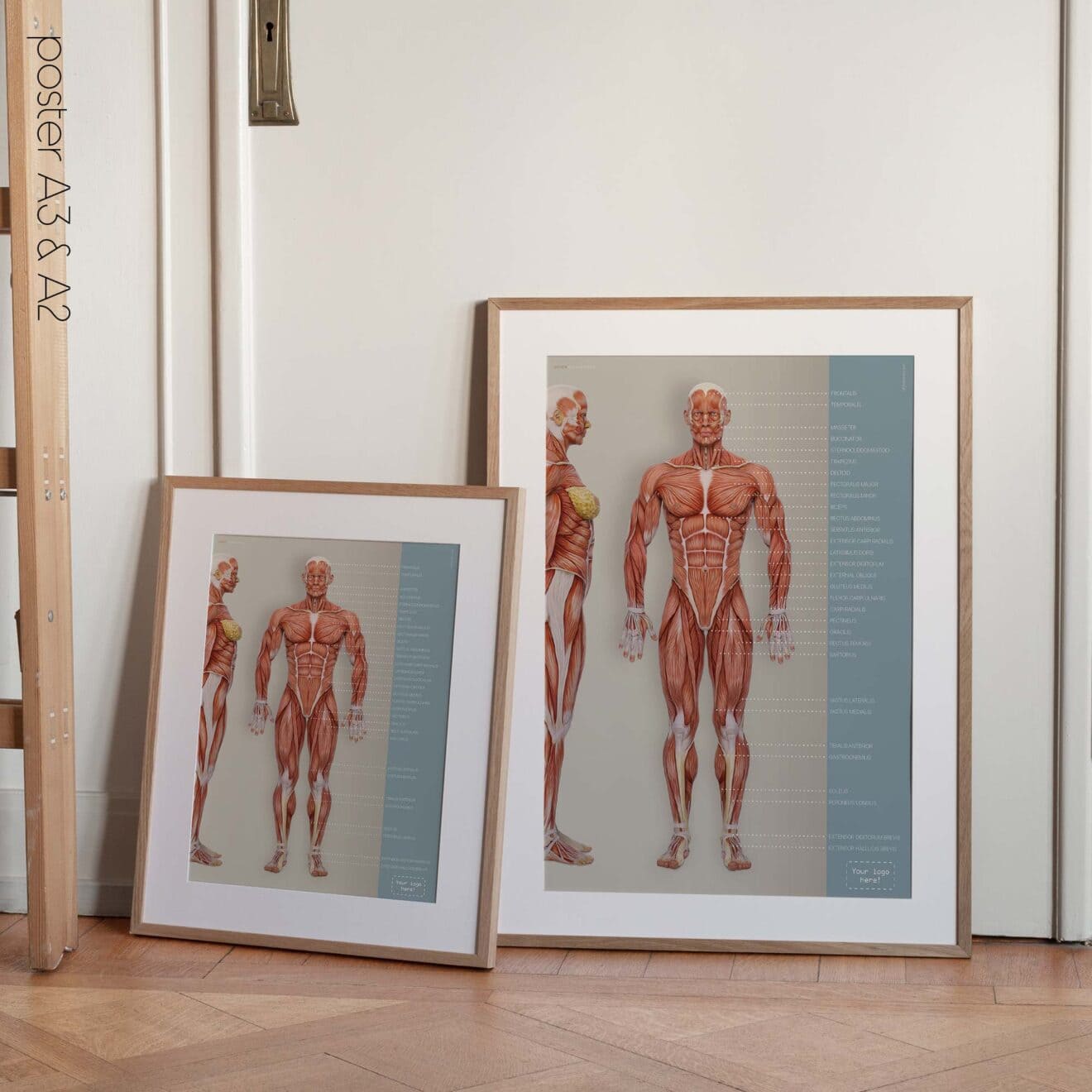
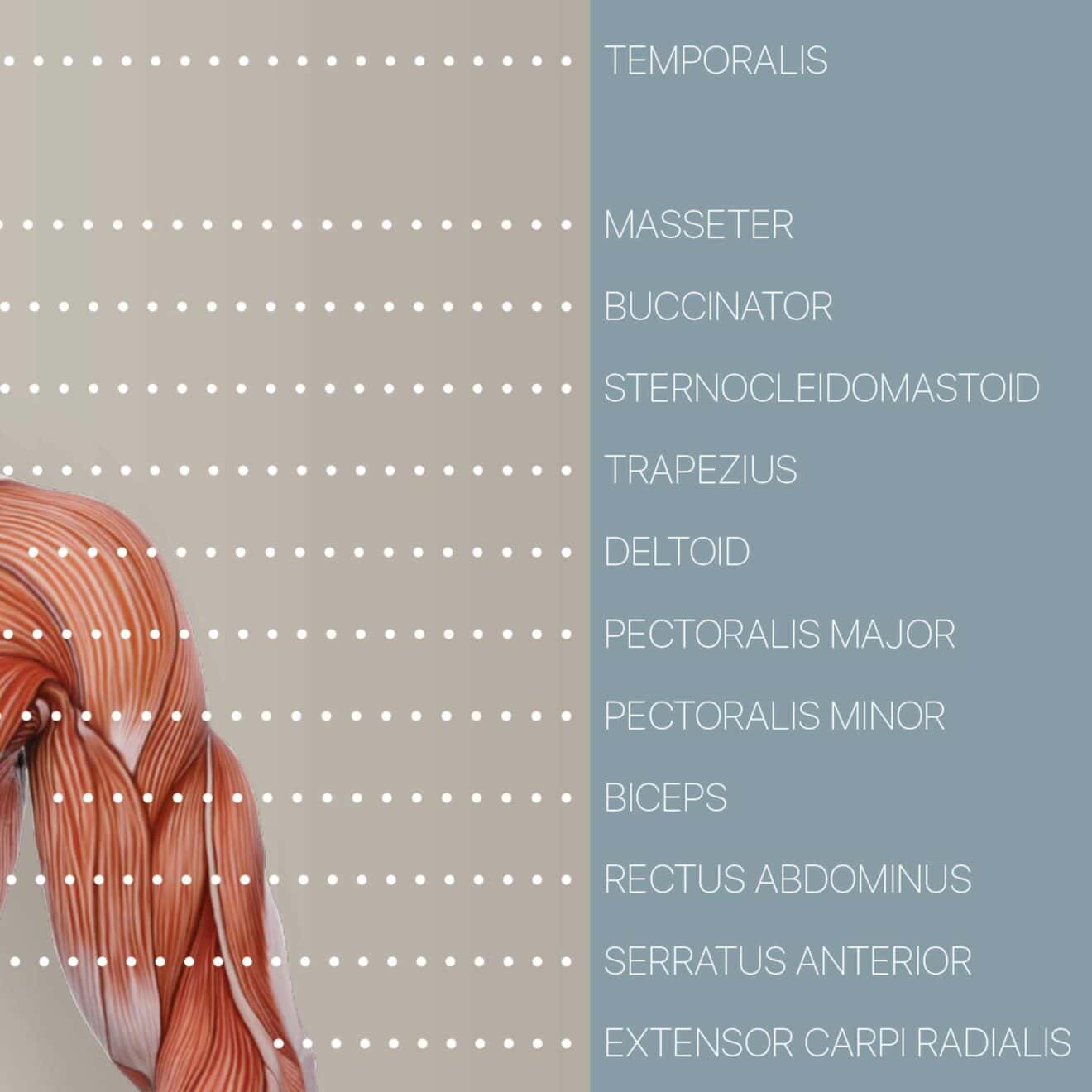
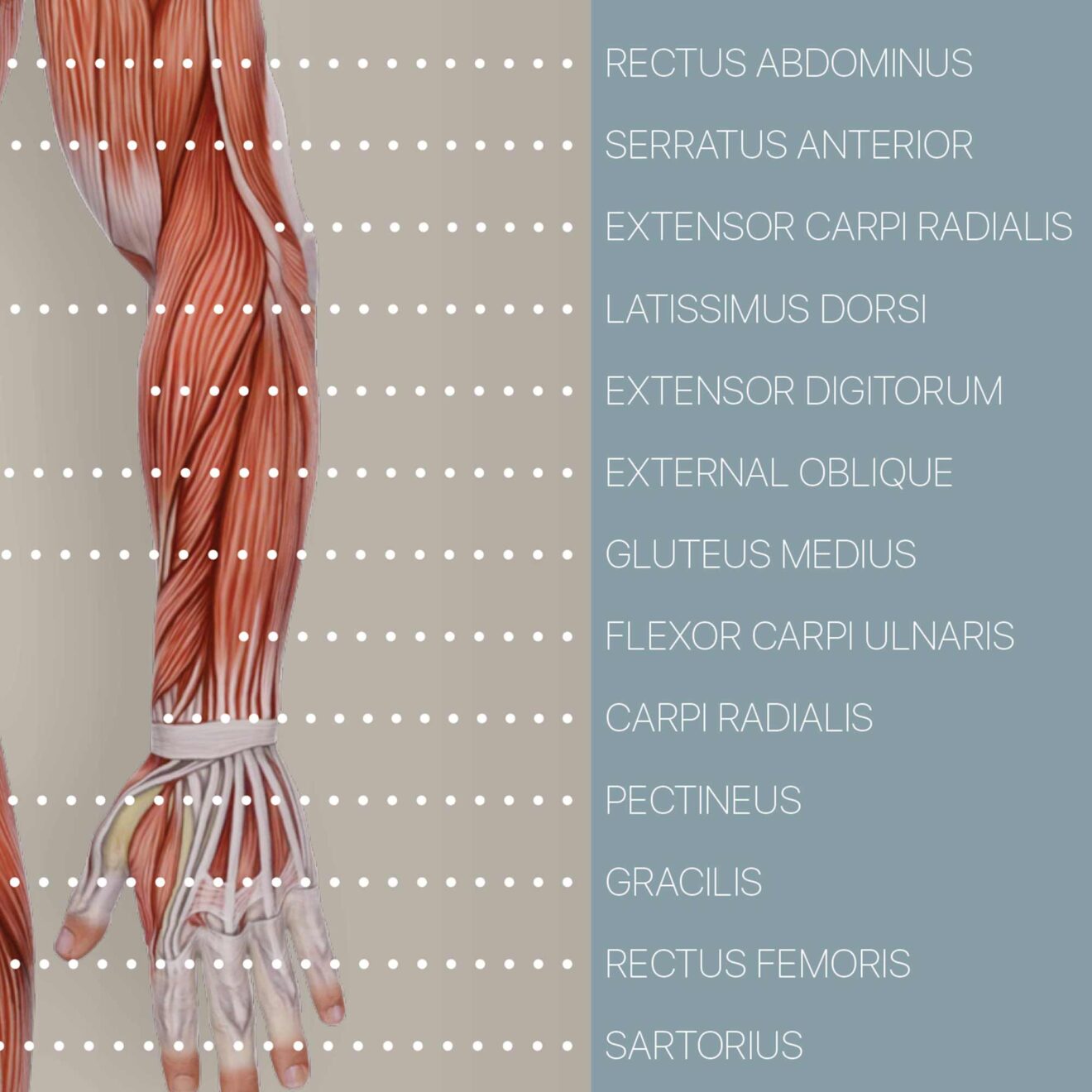
Available as poster prints (frames not included), toile imprimée, (built-in-frames), rollup banner, wallpaper and print-it-yourself PDF files. Browse the image gallery to view the options for this artwork, incl. types and sizes and optional logo placement. ⚠️ Text on this artwork is medical latin only.
★★★★★ “We love the fresh flair of Danish design and more importantly; the patients continue to comment positively about our new look.” – 🇺🇸 DC Ross Brennan
✓ How this chart supports patient education.
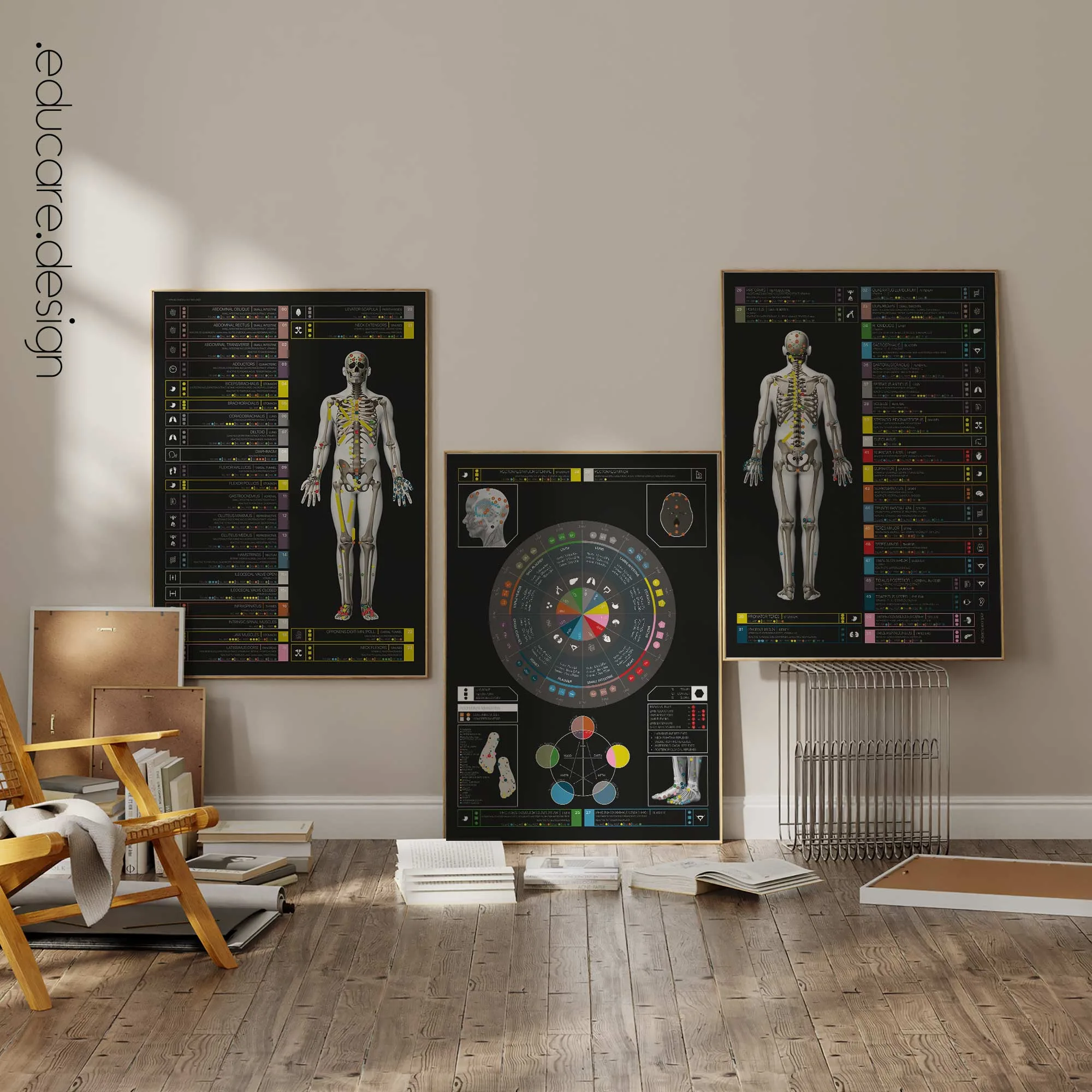
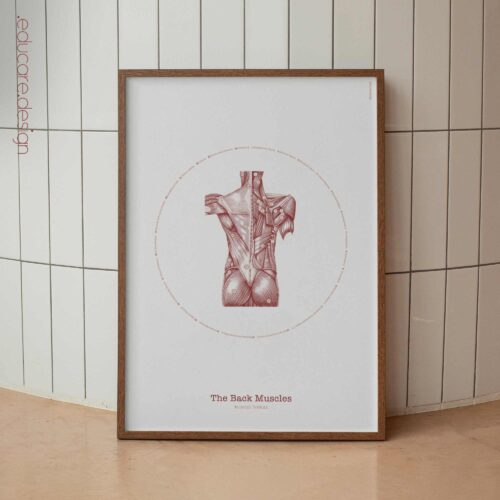
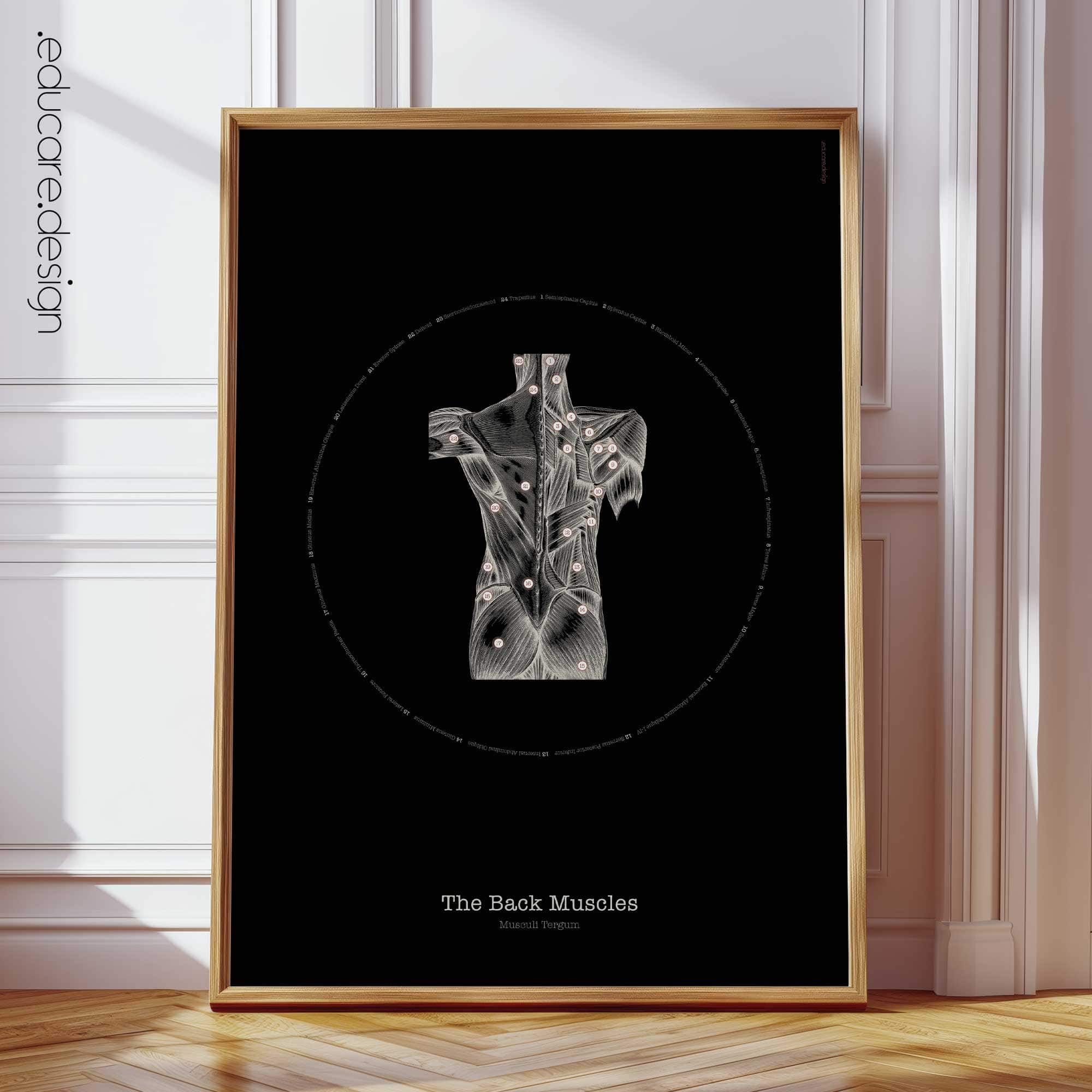
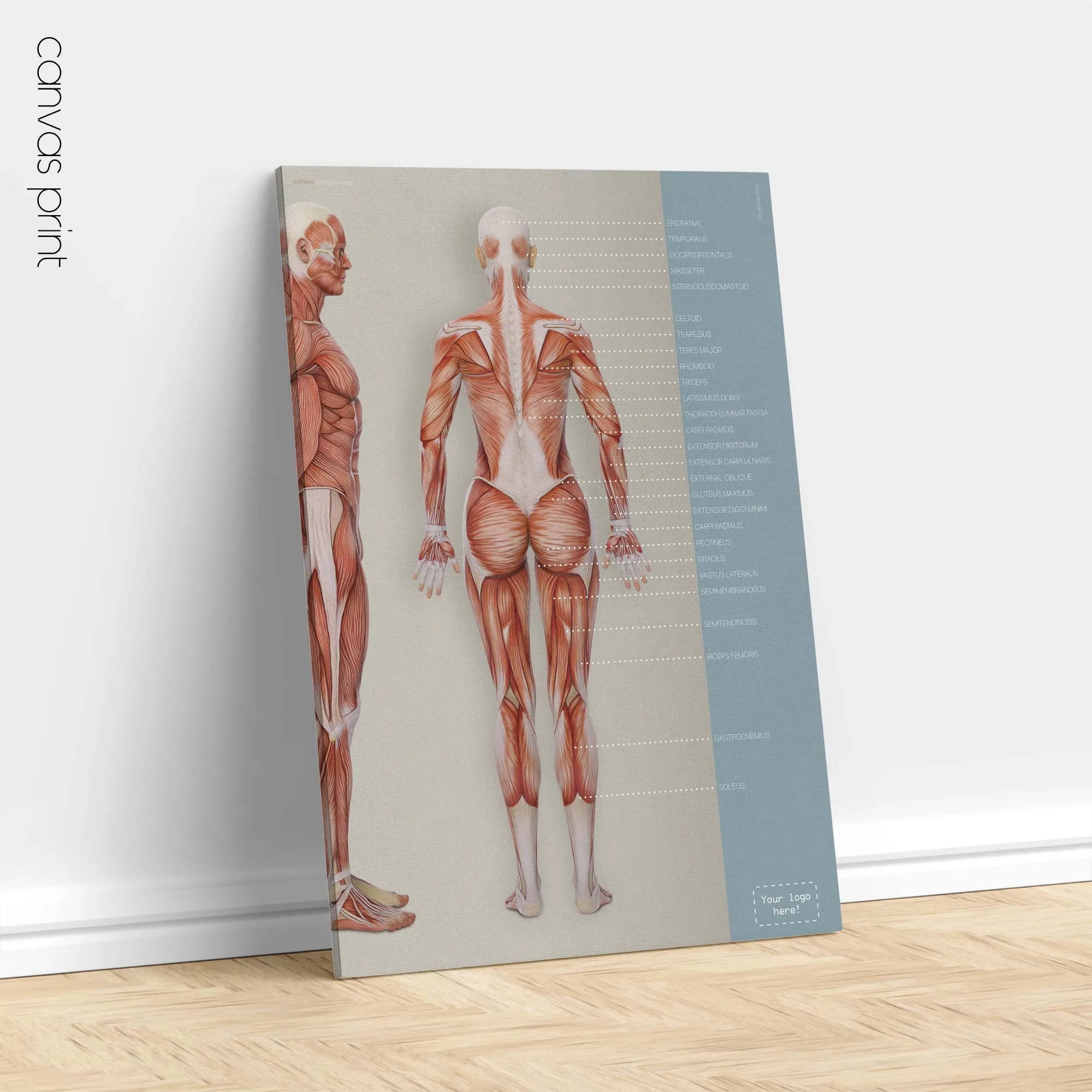
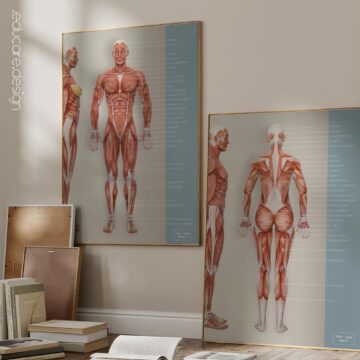
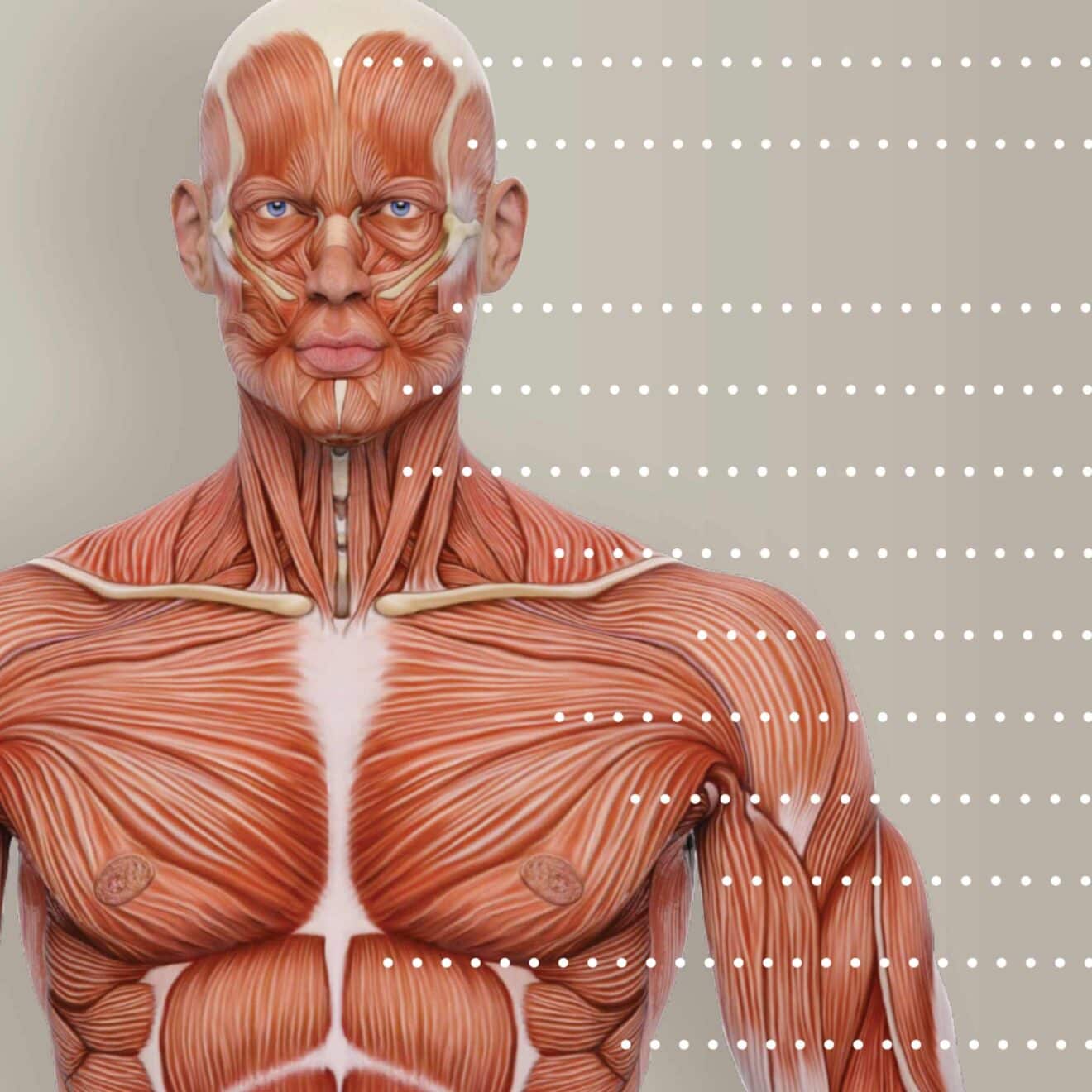
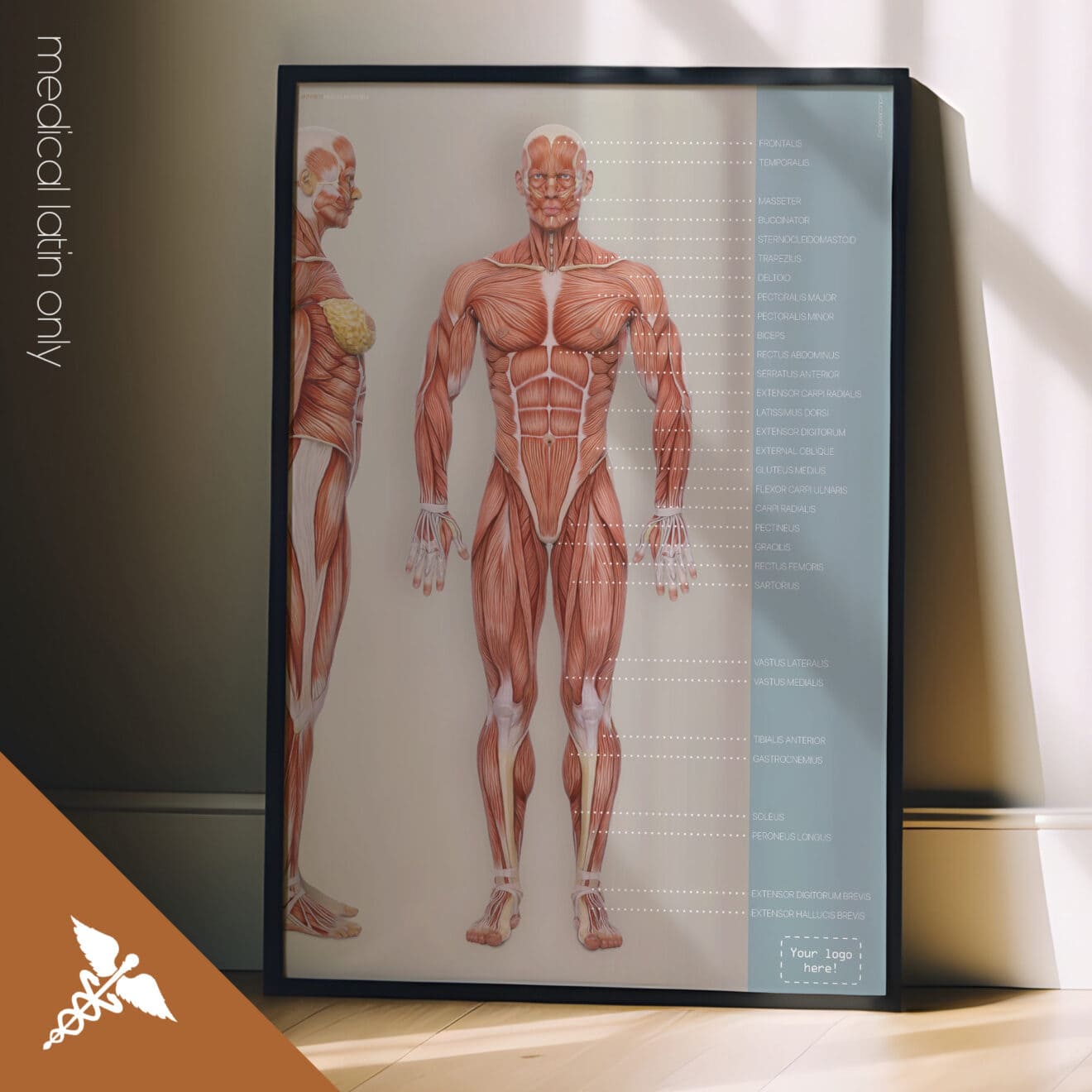
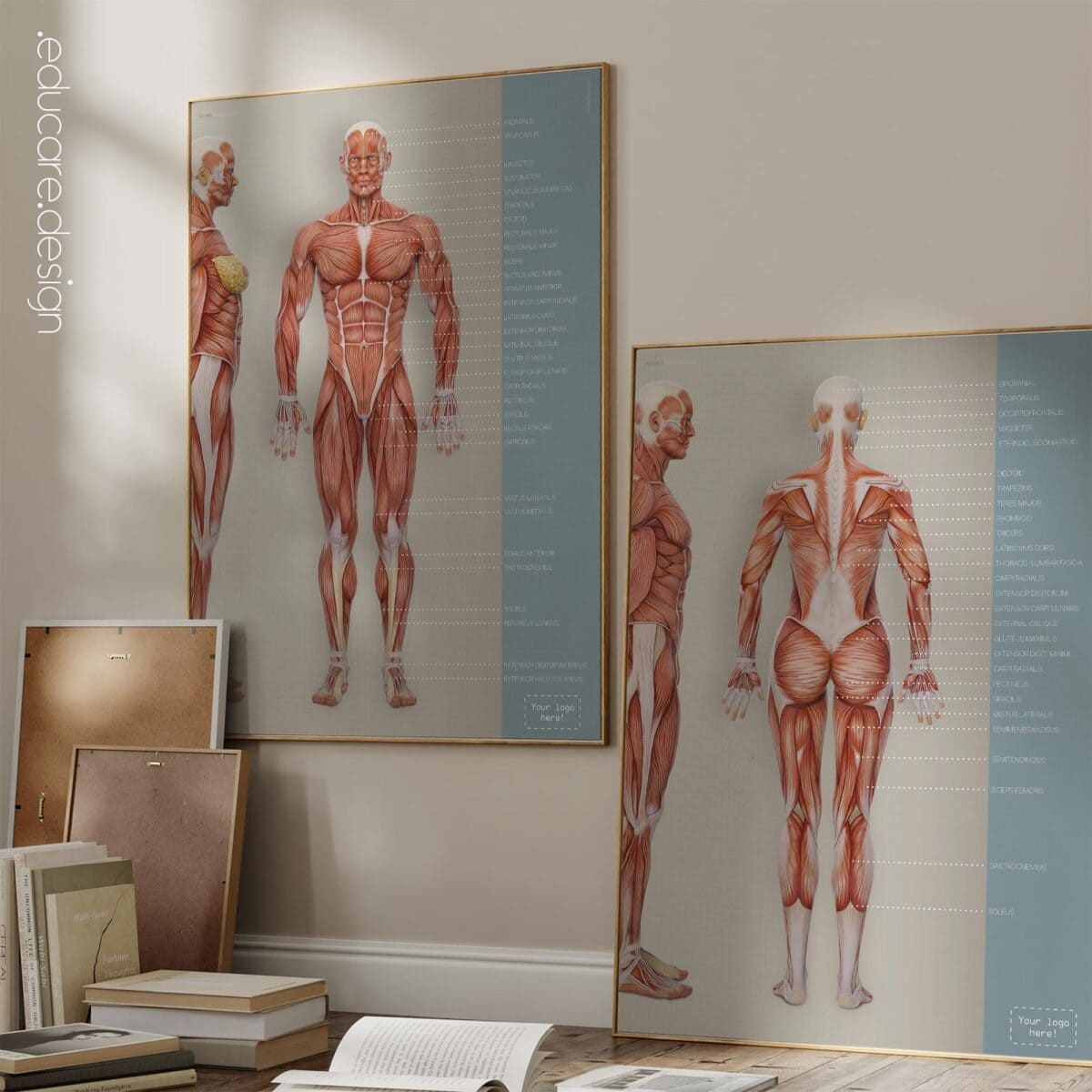
This Anterior Muscular System Chart helps practitioners explain anterior muscle anatomy, front-body muscle groups and the relationship between muscular structure, posture, movement and load transfer. It gives patients a clear visual reference for understanding the muscles of the chest, abdomen, pelvis, shoulders, arms, hips and legs from an anterior view. Useful for explaining the muscular system, anterior muscles, front-body anatomy, muscle groups, movement patterns, posture and rehabilitation focus in physiotherapy, chiropractic, osteopathy, sports therapy, massage therapy and movement-based clinics.