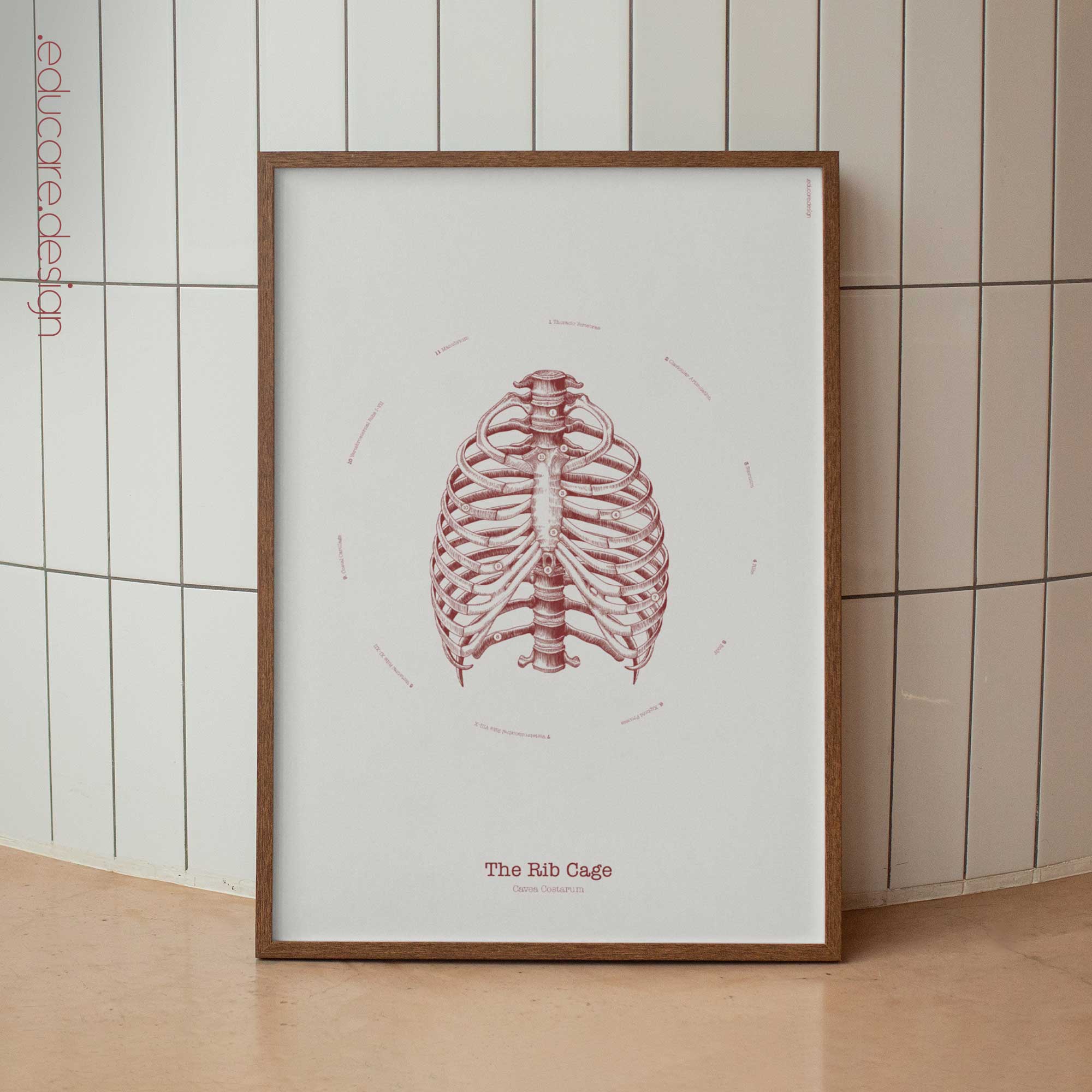
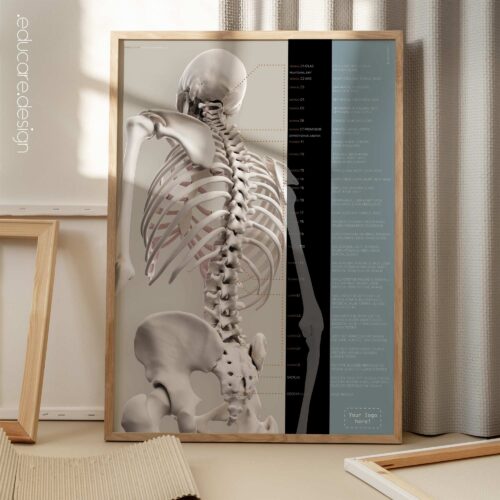
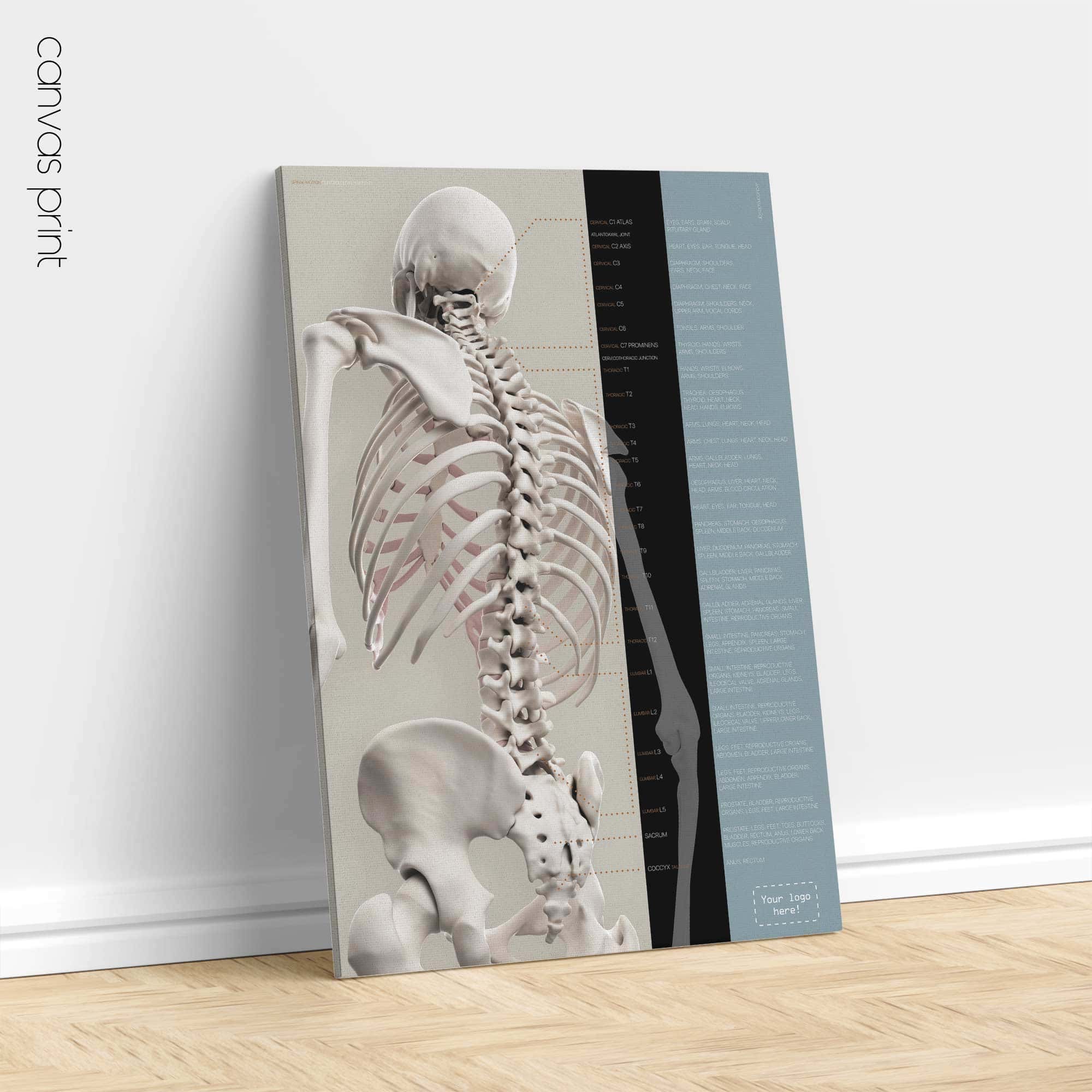
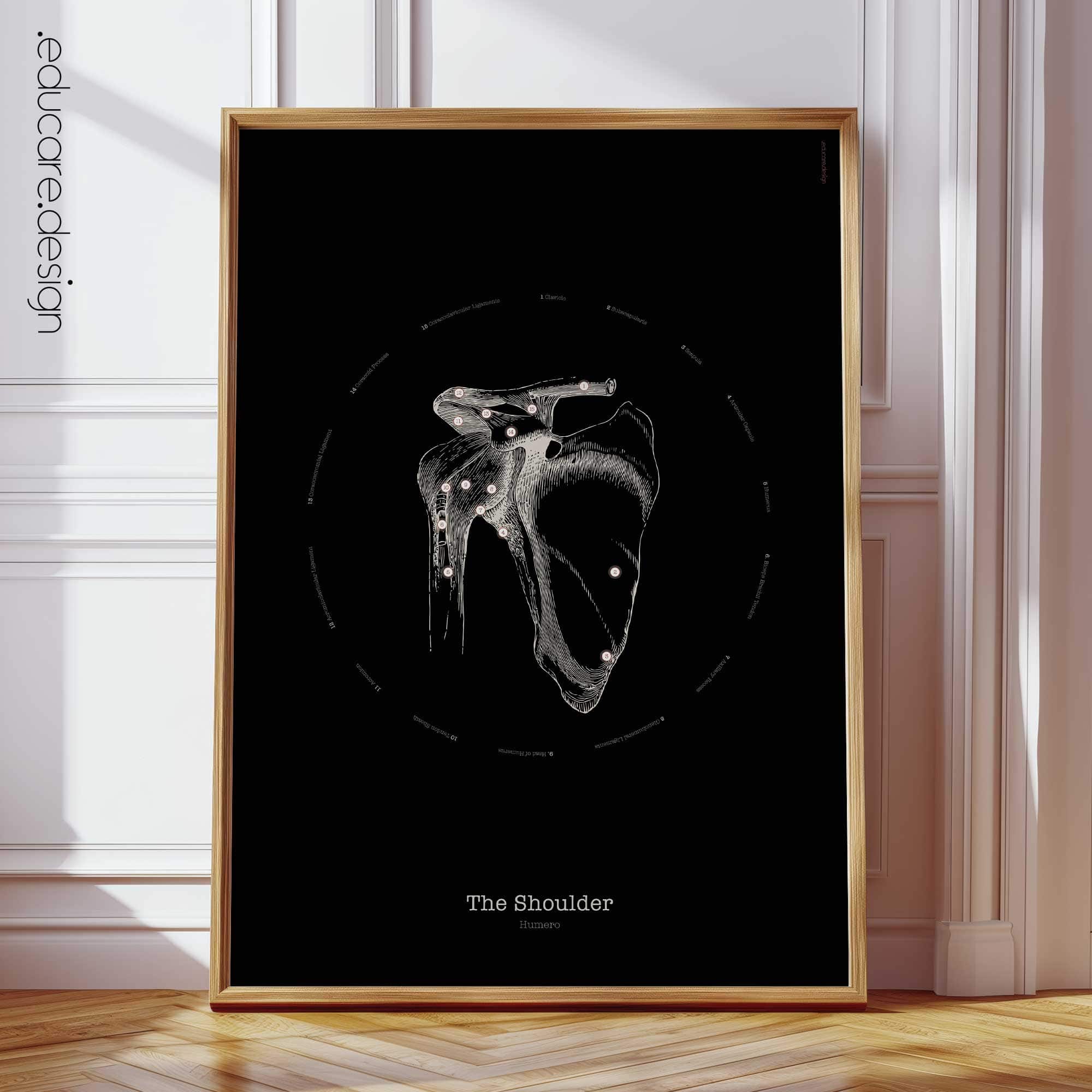
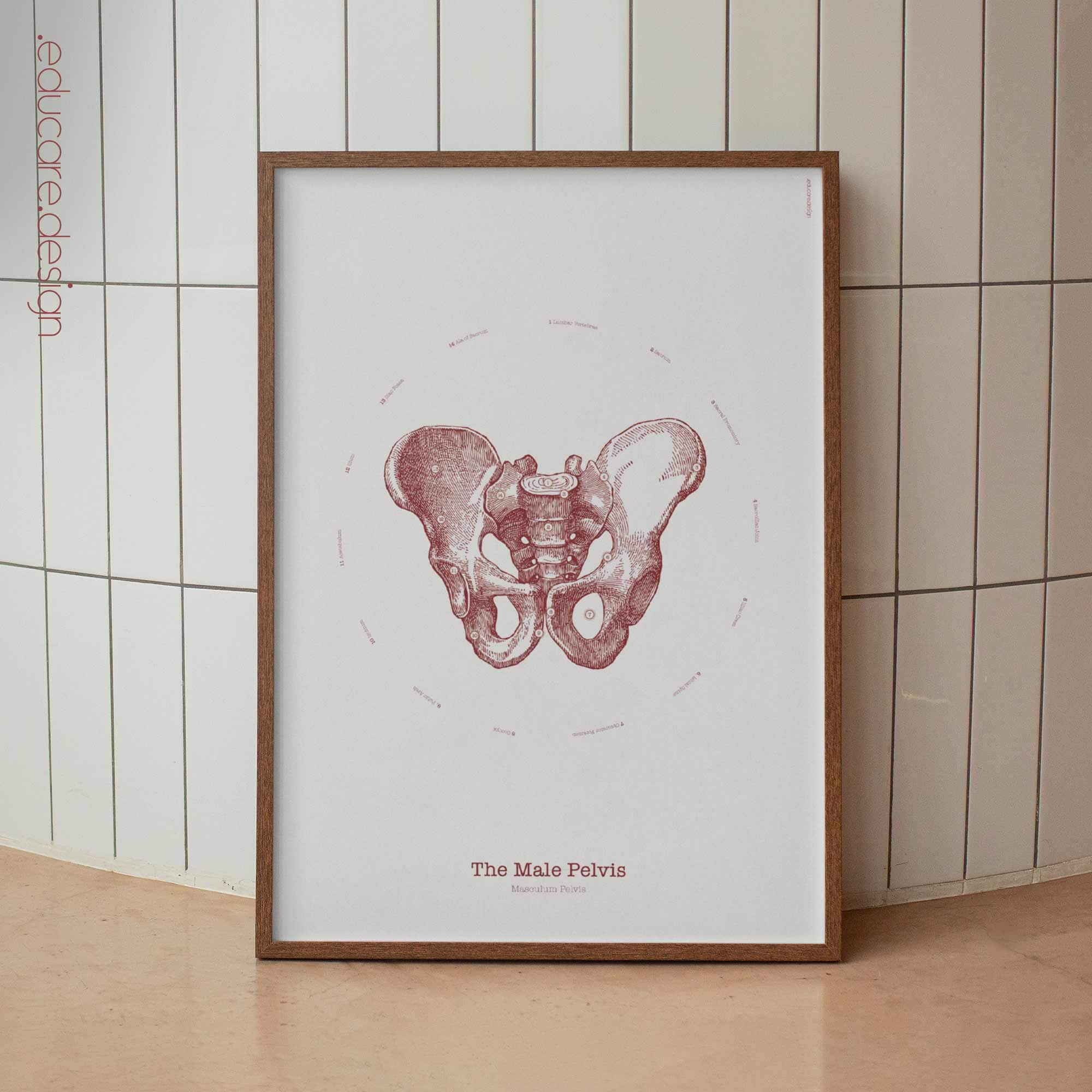
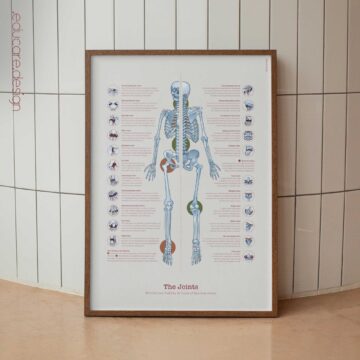
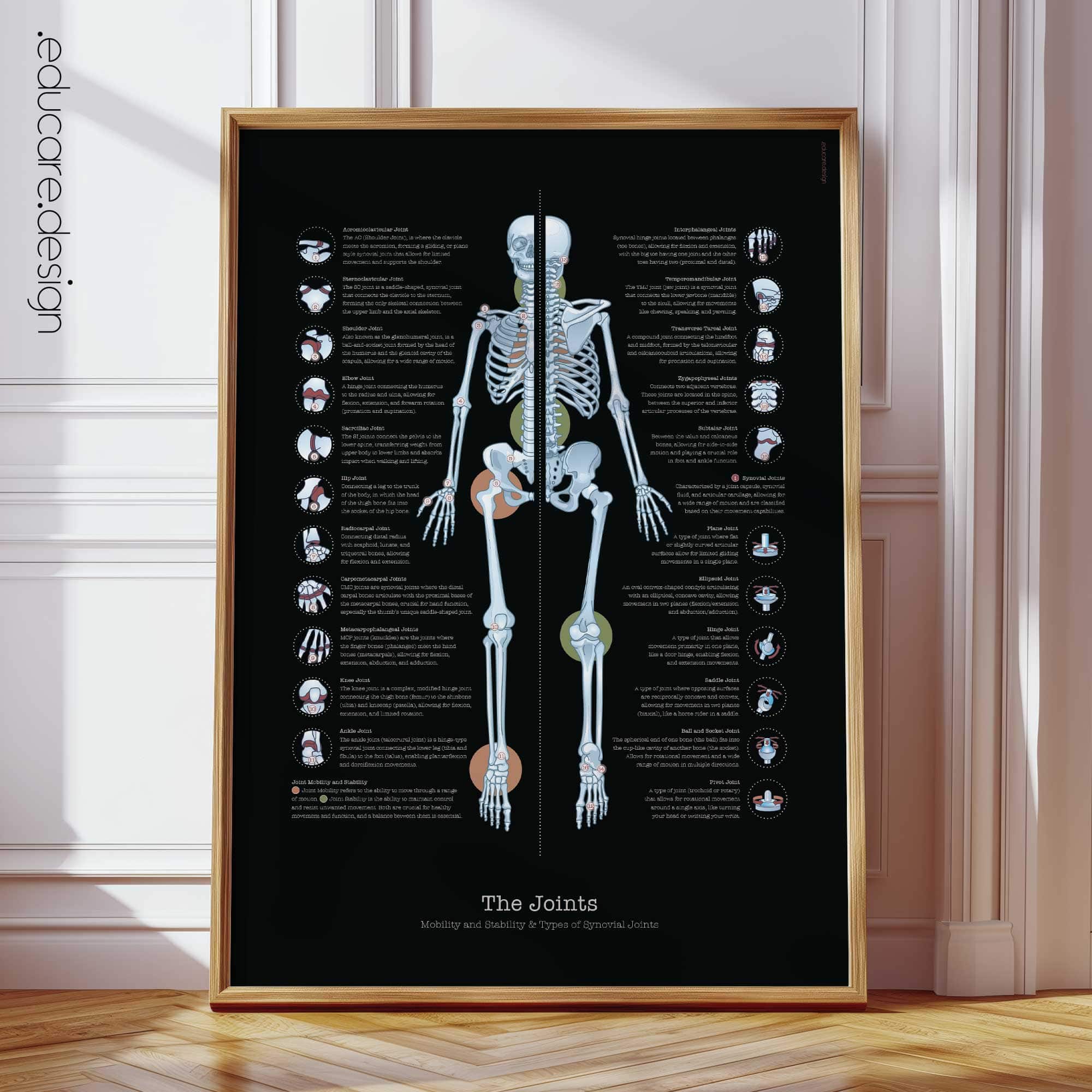
This vintage anatomy chart presents the thoracic cage with clarity and balance, illustrating the architectural structure that protects the heart and lungs while supporting breathing mechanics and upper-body stability.
The rib cage is formed by the thoracic vertebrae, sternum and twelve pairs of ribs that curve around the chest in a protective framework. Together they create a dynamic structure — rigid enough to shield vital organs, yet flexible enough to expand and contract with every breath. This chart highlights those structural relationships through carefully rendered anatomical linework.
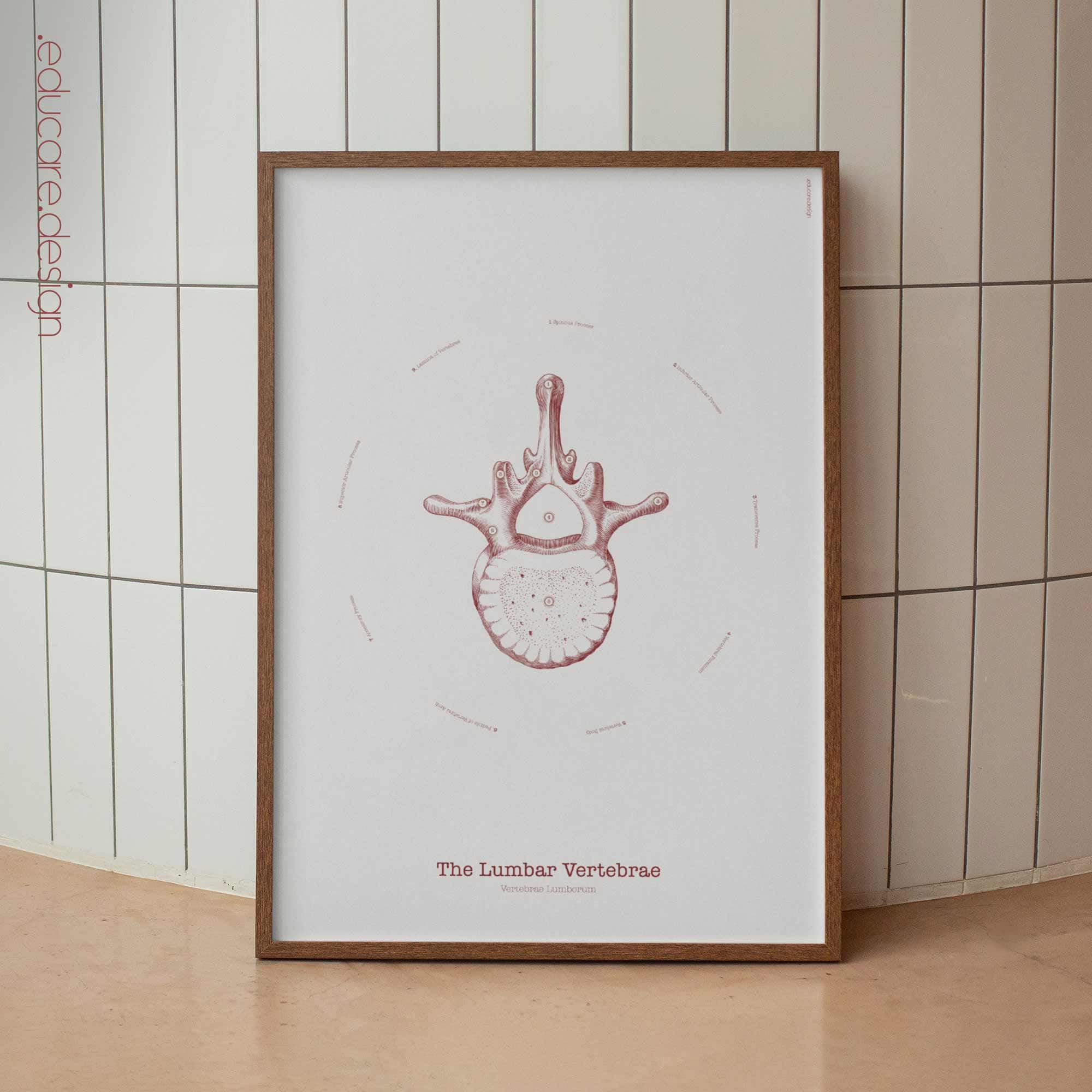
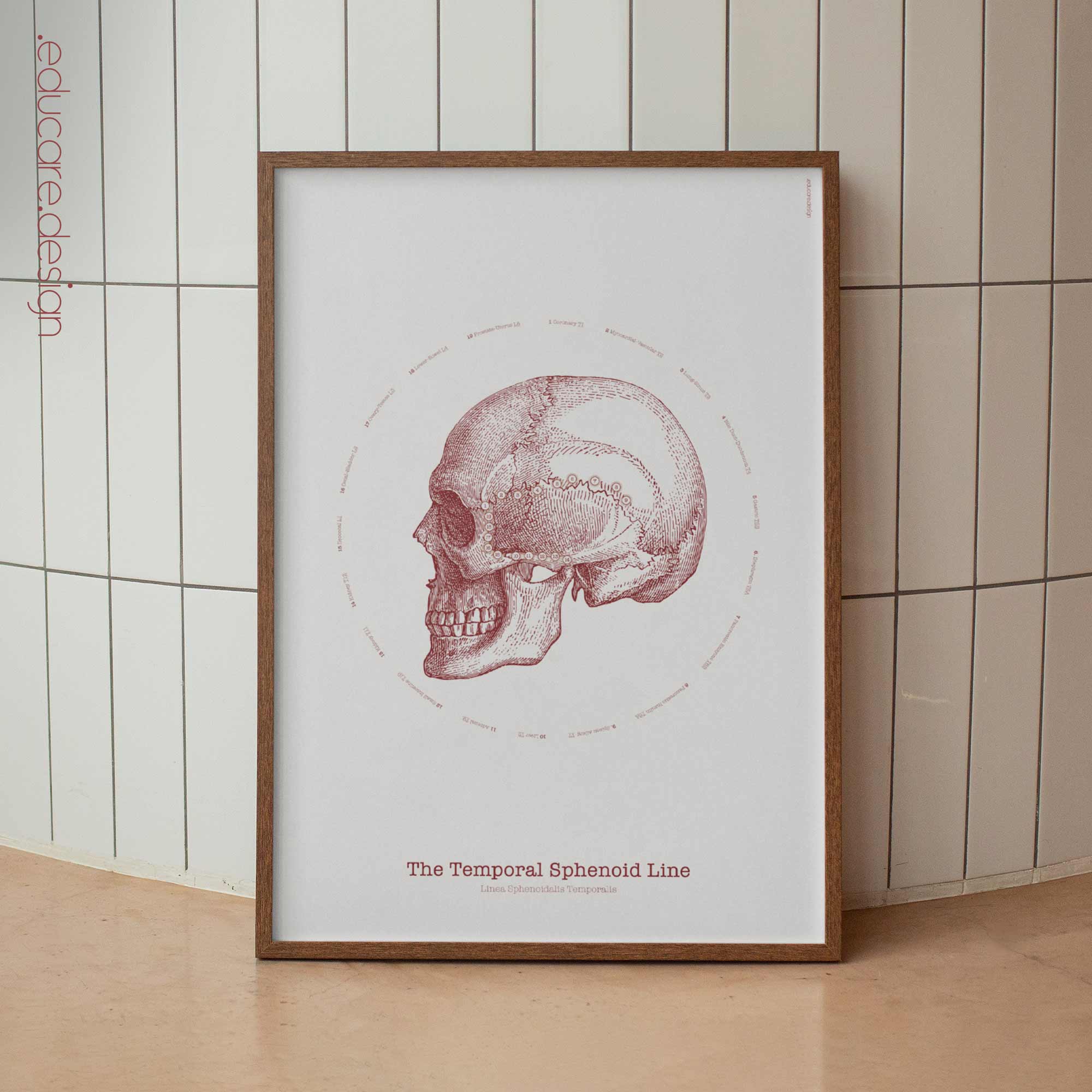
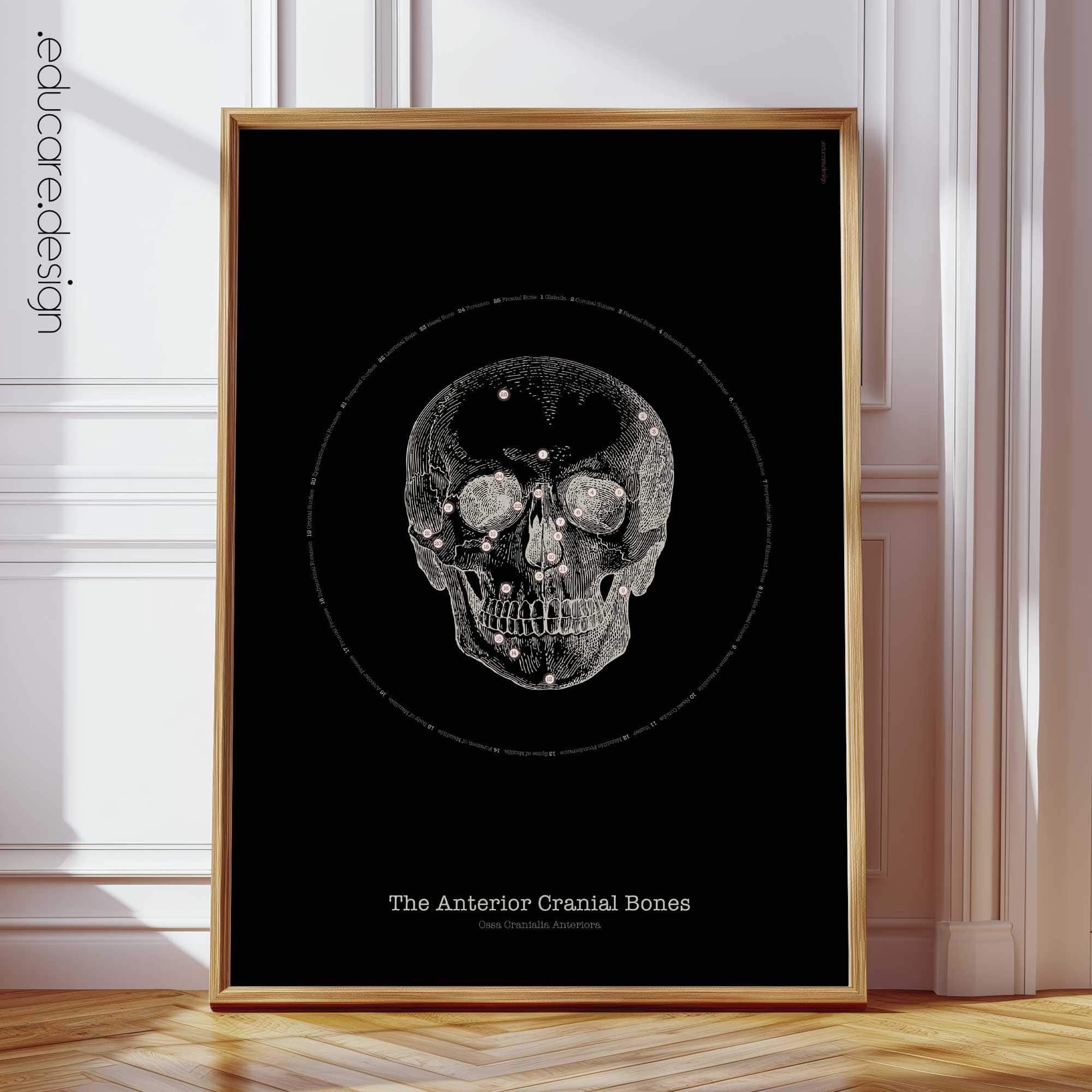
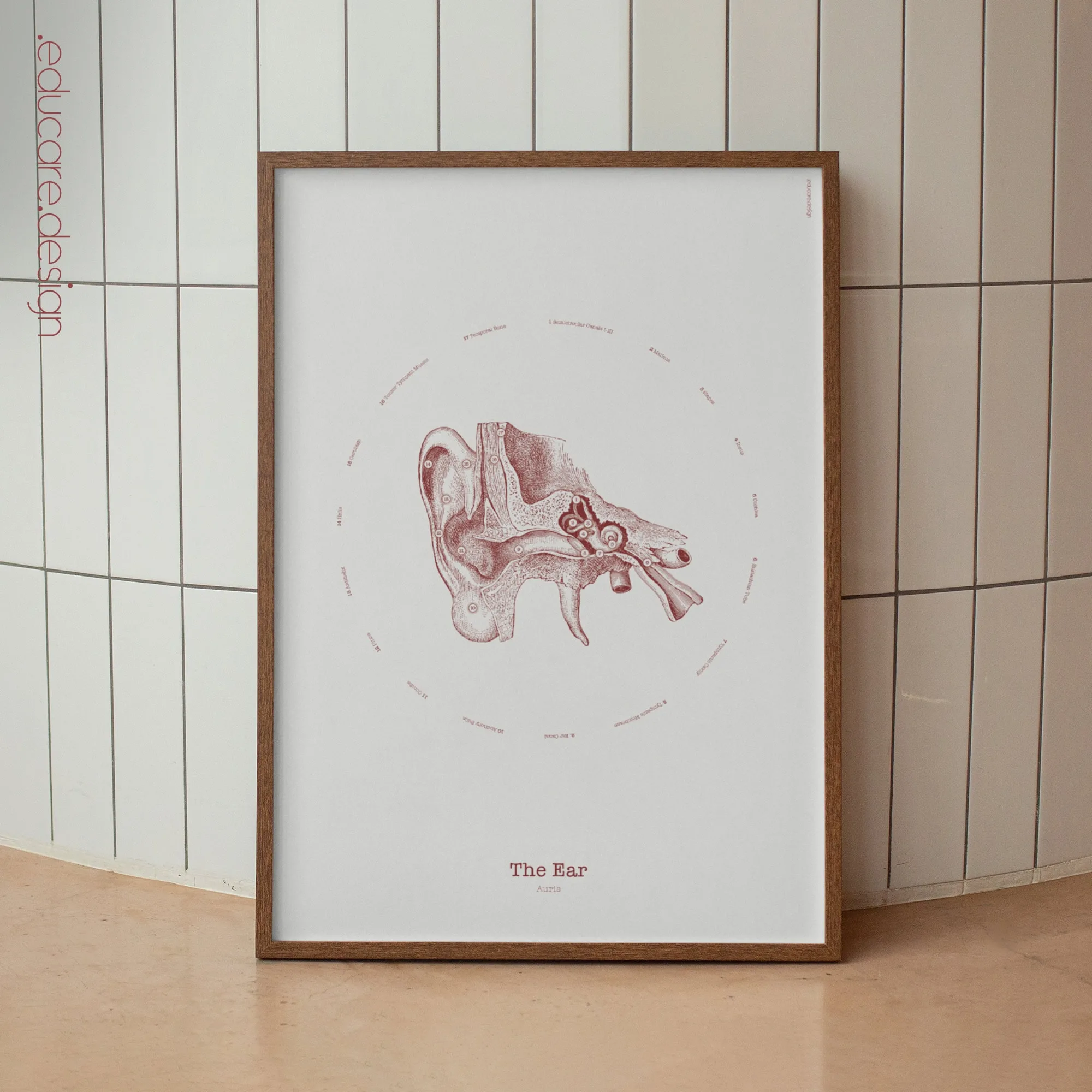
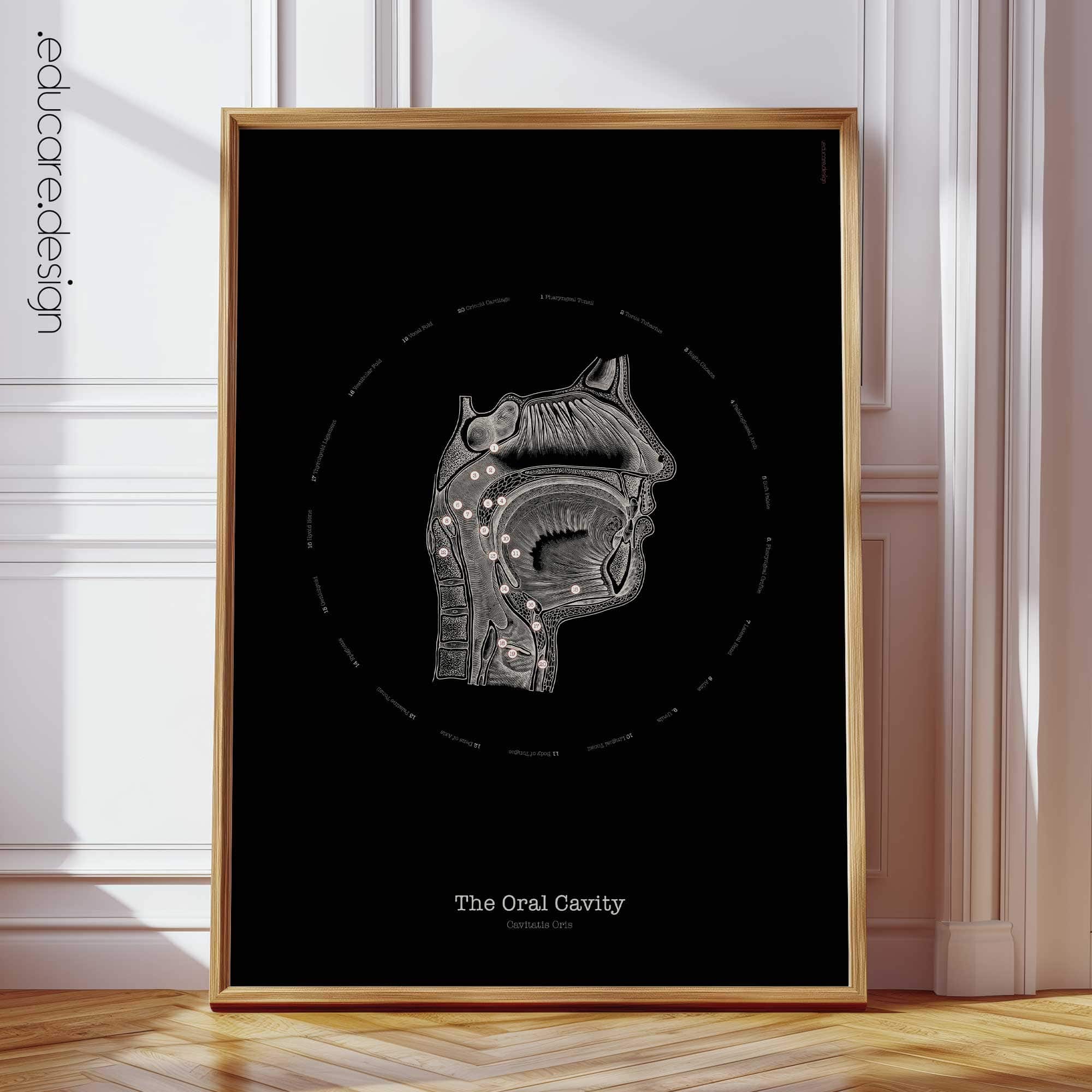
Numbered anatomical markers appear directly on the illustration and correspond to a circular index surrounding the rib cage. This layout allows key structures — including the sternum, ribs, costal cartilages and thoracic vertebrae — to be identified quickly without interrupting the visual harmony of the drawing.
The illustration reflects the traditions of classical anatomical engraving. Fine line shading and subtle tonal modelling communicate depth and form, capturing the curvature and spatial layering of the thoracic skeleton. The result is both educational and visually refined. Adapted to the educare.design aesthetic, the artwork combines this historical illustration style with clean typography and a restrained colour palette. The chart integrates easily into modern clinical interiors while preserving the character of historical anatomical prints.
Displayed in a clinic, teaching space or treatment room, The Rib Cage serves both as a clear anatomical reference and as a calm visual focal point — celebrating the structural elegance of the human thorax.
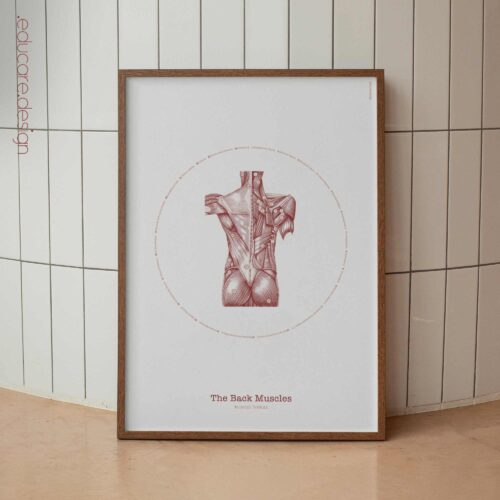
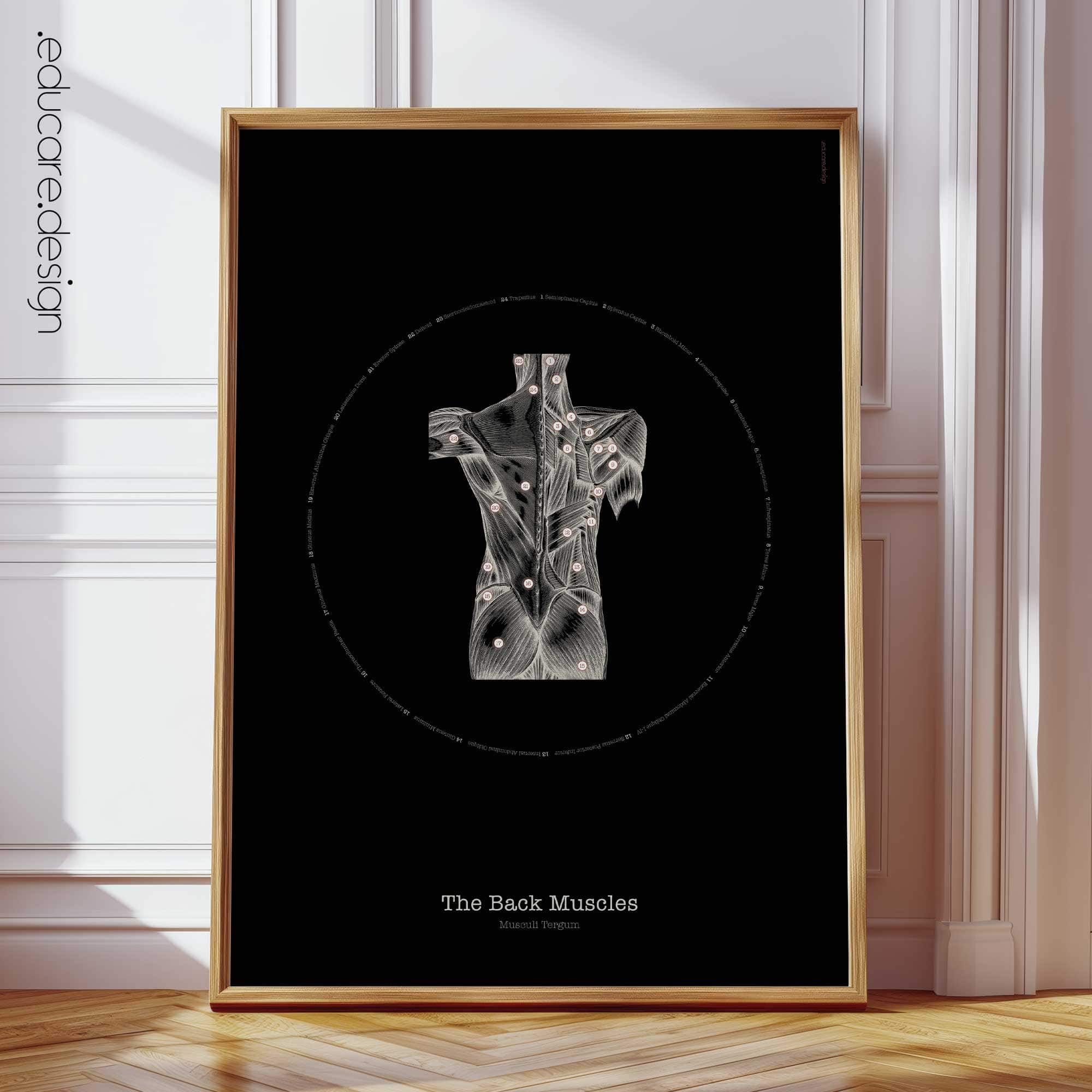
Available in Light and Black Editions.
The artwork is offered in two distinct expressions:
A soft neutral edition that integrates effortlessly into Scandinavian and minimalist clinical interiors.
A black edition that introduces dramatic contrast, transforming classical anatomy into a bold, gallery-style statement.
Both versions maintain identical anatomical precision and layout structure, allowing practitioners to select the atmosphere that best complements their space without compromising educational clarity. The result is neither purely vintage nor purely modern. It is anatomical heritage curated for contemporary clinical environments. Displayed alone, it functions as a refined focal point. Combined with minimal line charts, it adds historical depth without visual conflict.
Classical anatomy, rebalanced for modern practice.
 View this chart here on YouTube.
Make it part of your clinic!
⬇ Order here.