Feels Like Home: The Rise of Personalised, High-End Clinic Interior Design in Healthcare
In recent years, healthcare spaces have undergone a remarkable transformation. Gone are the days of sterile white walls and generic educational materials. Today, many health clinics are rethinking their interiors, embracing design elements that feel more like high-end homes than institutional waiting rooms. This shift is not just aesthetic, but reflects a deeper change in how clinics see themselves and how they want patients to feel.
From Cold to Comfort
The modern clinic is no longer just a place for treatment; it is a space for trust, communication, and wellbeing. Interior designers working in healthcare have increasingly turned to warm colors, natural textures, quality furniture, and curated artwork to create environments that inspire calm rather than anxiety. The goal: to make patients feel at ease while reflecting the professionalism of the practice.
The Personality Factor
Another strong trend is personalisation. Clinics want their spaces to showcase the personality and values of their staff—whether that’s a love of contemporary minimalism, a preference for bold colors, or an appreciation of art and design. Patients notice these details, and they often form part of the clinic’s unique identity. In many ways, interiors are now a form of branding.
Where Anatomy Charts Fit In
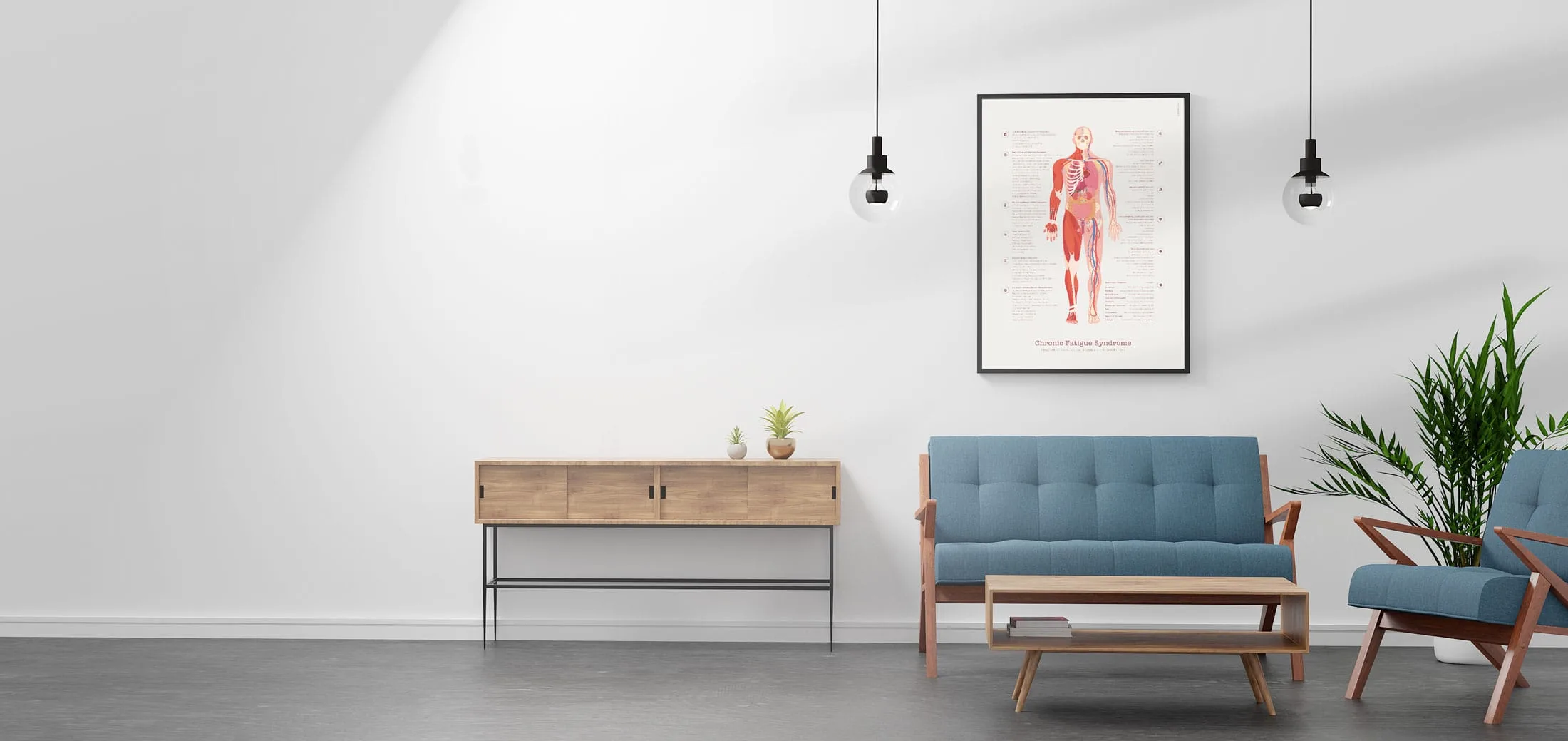
At first glance, anatomy charts may seem purely functional. But when designed with precision and aesthetics in mind, they can become striking design pieces that blend seamlessly into these new, more personalised clinic environments.
Our premium anatomy charts are created with this philosophy:
· Minimalist yet detailed – clear enough for patient education, elegant enough for modern interiors.
· Versatile design – fitting as naturally in a high-end living space as in a professional consultation room.
· Personal touch – with multiple language options and customisation (such as clinic logos), they reflect both the global professionalism and individual character of a clinic.
Educate, Inspire, and Elevate
The new approach to clinic design is about more than aesthetics — it’s about how environment supports communication. A thoughtfully chosen anatomy chart doesn’t just help explain complex topics; it signals to patients that their clinic values clarity, design, and human connection.
As more clinics embrace interiors that feel welcoming and reflective of their staff’s personality, design-forward medical visuals are playing a central role. They elevate the space, inspire patient confidence, and ensure education remains at the heart of the clinical experience.
🔗 External recommendation: gensler.com