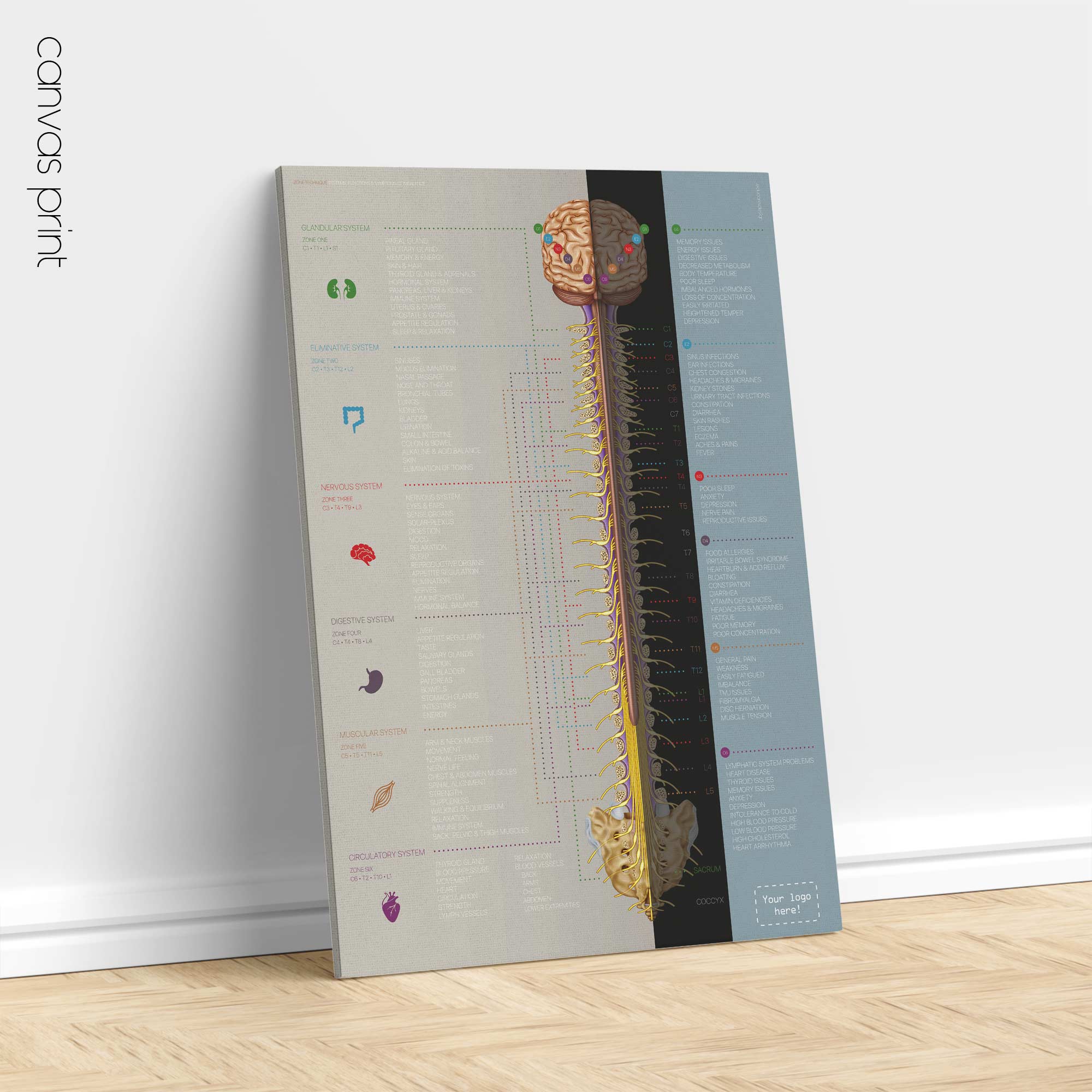
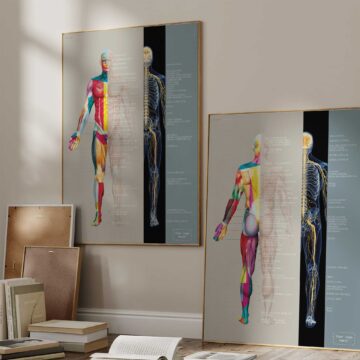
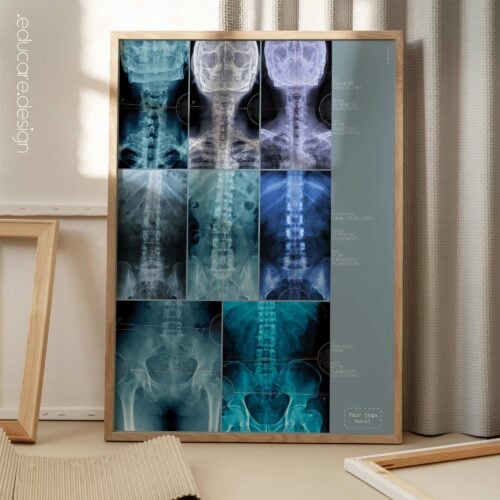
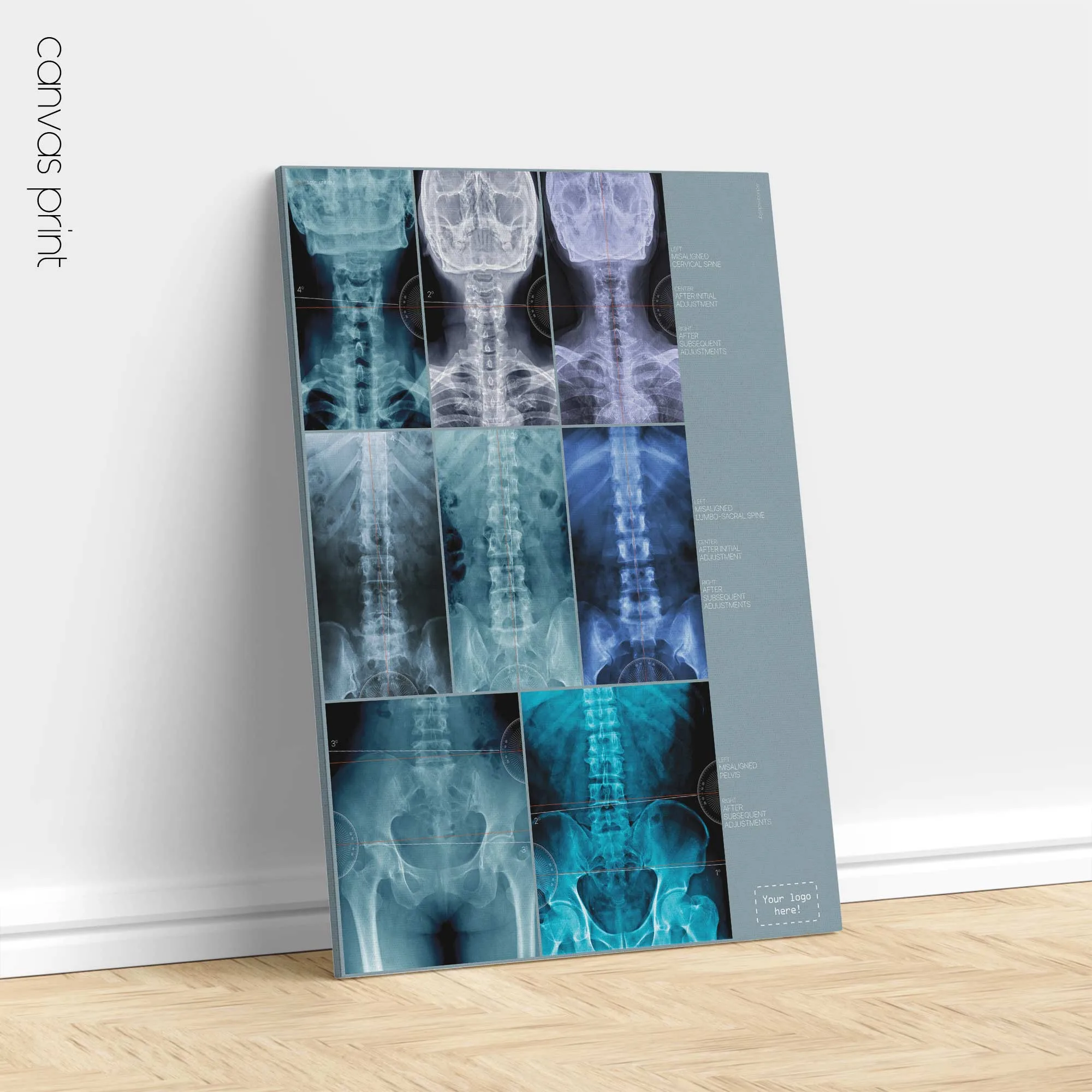
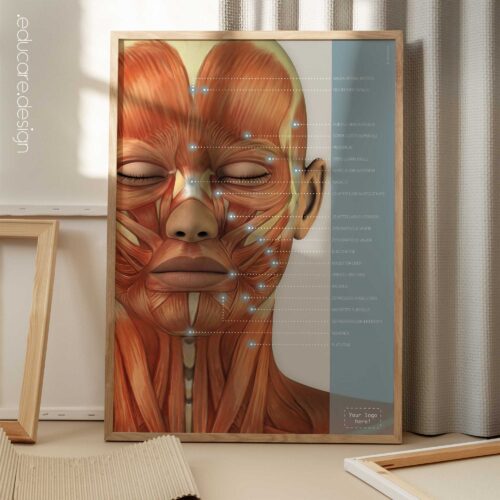
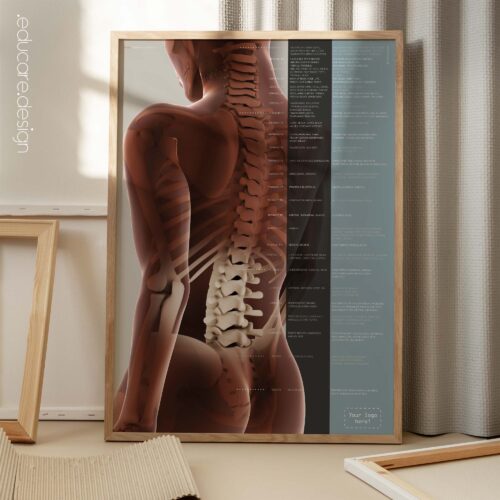
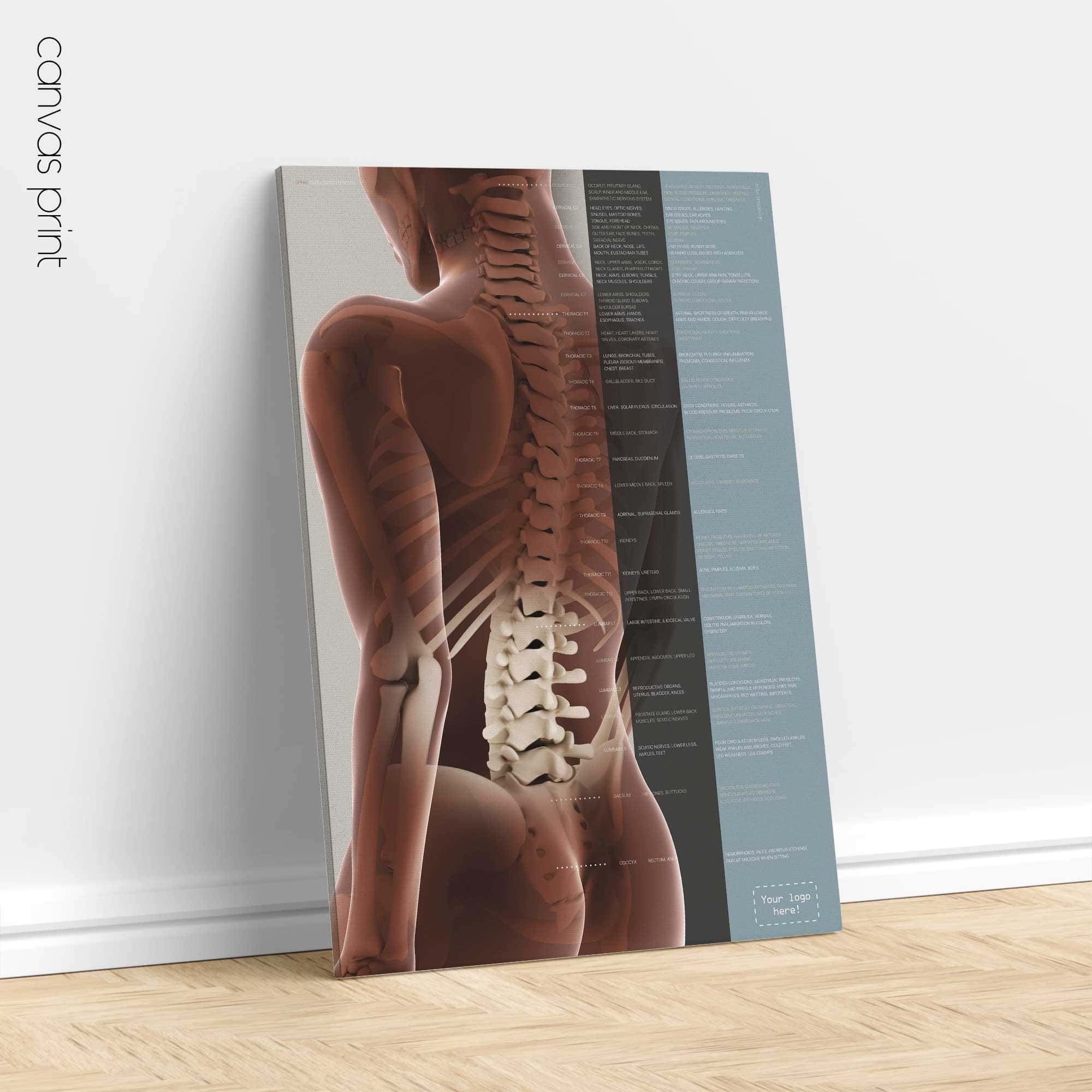
Biomechanics, Neural Interference & Tissue Response — one coherent visual framework. This Vertebral Subluxation Complex (VSC) chart translates a traditionally abstract concept into a structured, clinically intelligible visual system. Rather than presenting subluxation as a vague misalignment, the artwork organises the Vertebral Subluxation Complex into its recognised components and demonstrates how mechanical dysfunction may influence neural communication and surrounding tissues.
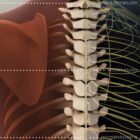
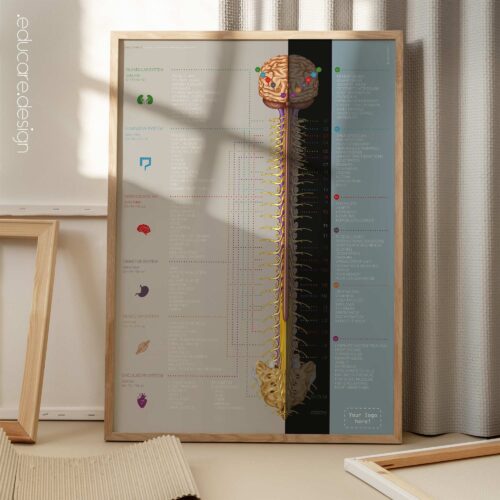
The central posterior anatomical rendering illustrates the spine in clear alignment with the spinal nerve pathways. Segmental irritation, altered joint mechanics and associated tissue responses are visually integrated — allowing practitioners to explain how vertebral restriction or malposition may contribute to functional disturbance.
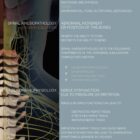
A Structured Breakdown of the Vertebral Subluxation Complex.
The chart outlines how subluxation may involve multiple interrelated components:
Spinal Kinesiopathology — abnormal motion or position of vertebral segments, restricting normal biomechanics.
Neuropathophysiology — altered nerve function due to irritation, compression or inflammatory response.
Myopathology — muscular imbalance, guarding, weakness or spasm associated with segmental dysfunction.
Histopathology — inflammatory or degenerative tissue changes, including disc involvement or ligament strain.
Pathophysiology — broader tissue and systemic responses that may develop over time if dysfunction persists.
Rather than isolating symptoms, the visual demonstrates how mechanical stress, nerve irritation and tissue adaptation may form a progressive cycle. Disc bulging, strained ligaments, muscle spasm and bone spur formation are presented as potential structural consequences — not as alarmist conclusions, but as biomechanical developments that patients can clearly understand.
Cause–Effect Continuum Made Visible.
The right-hand explanatory column identifies common initiating factors such as trauma, falls, postural stress, emotional strain or environmental influences. From there, the chart logically progresses through altered movement patterns, nerve compromise and secondary tissue responses. This stepwise visual hierarchy allows practitioners to guide patients from cause → structural change → neural involvement → functional expression in a single consultation.
Designed for Clinical Communication.
Many traditional VSC illustrations are either overly simplistic or visually overwhelming. This artwork resets the conversation. It balances anatomical realism with conceptual clarity, ensuring that patients grasp the principle without being buried in terminology. Displayed independently, it functions as a powerful educational anchor. Placed alongside the Spinal Subluxation Effects chart, it creates a complete two-part system: one explaining the mechanism (VSC), the other illustrating segmental correlations and symptom patterns.
The minimalist yet high-impact aesthetic maintains authority while remaining approachable — ideal for chiropractic, osteopathic, physiotherapy and spine-focused clinics seeking structured, evidence-aware patient dialogue.
 View this chart here on YouTube.
🇺🇸 View more details of the English version.
🇮🇹 Vedi i dettagli della versione italiana.
🇪🇸 Ver detalles de la versión en español.
🇩🇪 Details zur deutschen Version anzeigen.
🇫🇷 Voir les détails de la version française.
🇳🇱 Bekijk details van de Nederlandse versie.
🇵🇹 Veja mais detalhes da versão portuguesa.
🇸🇪 Se fler detaljer om den svenska versionen.
🇳🇴 Se flere detaljer om den norske versjonen.
🇩🇰 Se flere detaljer fra den danske version.
Make it part of your clinic!
⬇ Order here.