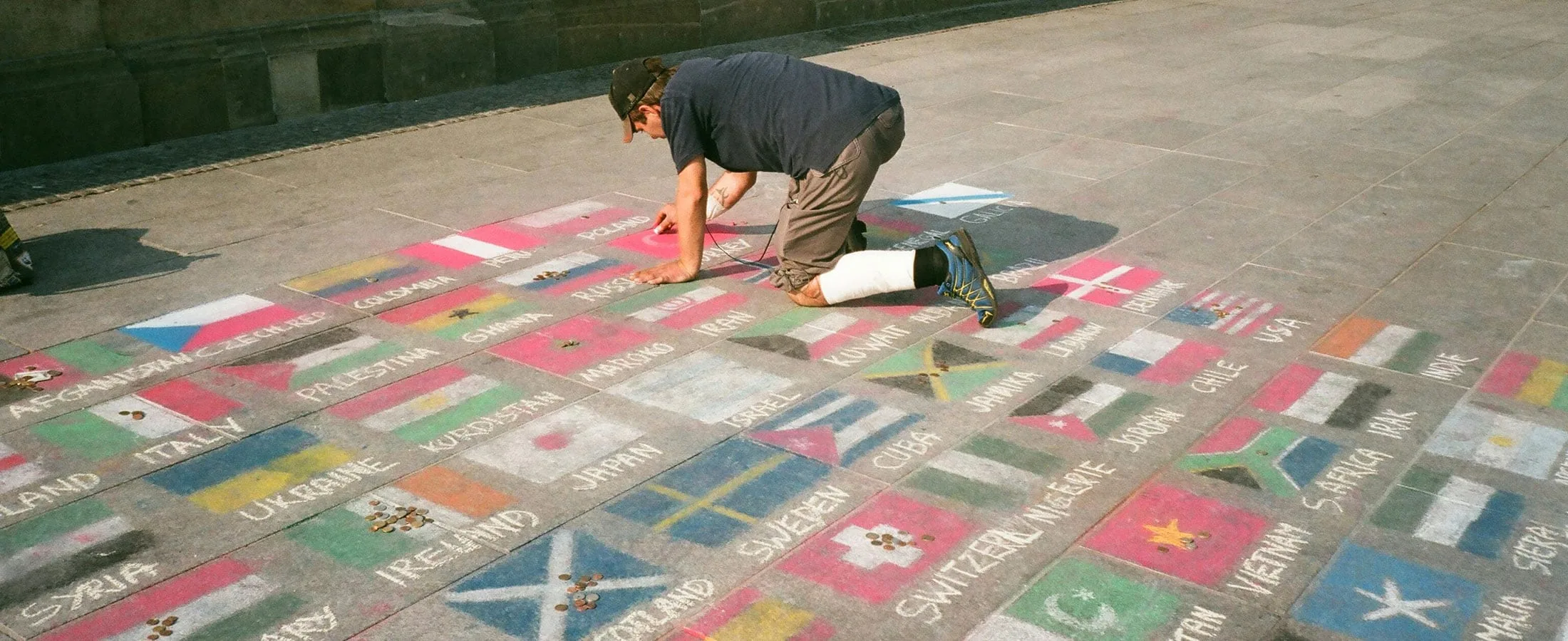
In today’s globalised world, patient populations are more diverse than ever. Many clinics now find themselves serving people from a wide range of cultural and linguistic backgrounds. The ability to communicate effectively with every patient has become central to delivering quality care.
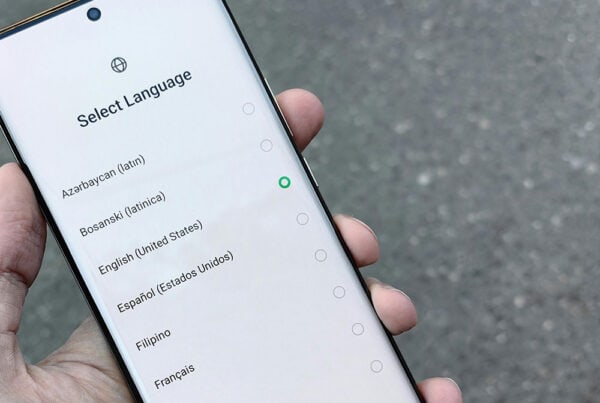
Multilingual resources – from translated brochures à anatomy charts – bridge communication gaps that would otherwise leave patients confused or uncertain. A single illustration or translated explanation can make the difference between misunderstanding and clarity. Research shows that patients who receive information in their own language report greater trust in their providers and better adherence to treatment plans.
For international practices and clinics in multicultural areas, multilingual tools reduce consultation time while raising patient satisfaction. They also signal respect for patients’ identities, helping to foster long-term loyalty and positive word-of-mouth.
At educare.design, our anatomy charts are available in 10 languages, offering clinics an immediate solution to these challenges. By integrating multilingual visuals into everyday practice, clinics can ensure that no patient feels left out – and that every consultation is as clear and effective as possible.
🔗 External recommendation: Shop Anatomy Charts.
🔗 External recommendation: WHO – Multilingual Health Communication.